New Andean plant species discovered in Peru’s Manu National Park
Summary and headline written by AI from the source article. How we work
A team of scientists discovered a new plant species within Peru’s Manu National Park and its buffer zone.
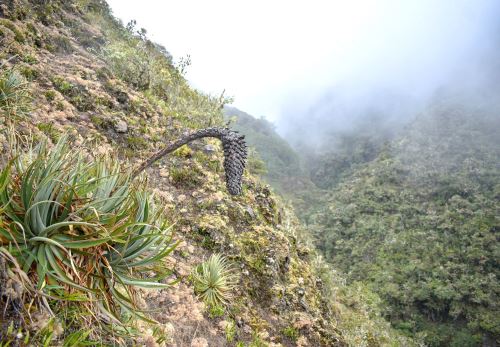
Researchers from the non-governmental organisation Conservación Amazónica (ACCA) identified the plant, a type of Andean bromeliad, and named it Puya ukumari. The name, meaning “bear” in Quechua, references the Andean bear (Tremarctos ornatus) and its ecological relationship with the bromeliad. The plant grows up to two meters tall and is notable for its very dark blue, almost black, petals.
Scientists found Puya ukumari in the Kosñipata and Mapacho valleys in Cusco, at elevations between 2,300 and 3,300 meters. They have recorded the species in five locations including within Manu National Park and at the Wayqecha Biological Station. Researchers first observed the plant in 2022 and officially registered a flowering specimen in August of 2025 in the community of Sunchubamba.
They propose classifying Puya ukumari as Endangered due to its limited distribution and threats to its habitat, including deforestation, livestock farming, fires, and landslides. The team published their findings on October 15, 2026, in the scientific journal PhytoKeys, emphasizing the need for continued field monitoring and collaboration to protect Andean biodiversity.


