Strasbourg’s 1518 dancing plague: a city overcome
Summary and headline written by AI from the source article. How we work
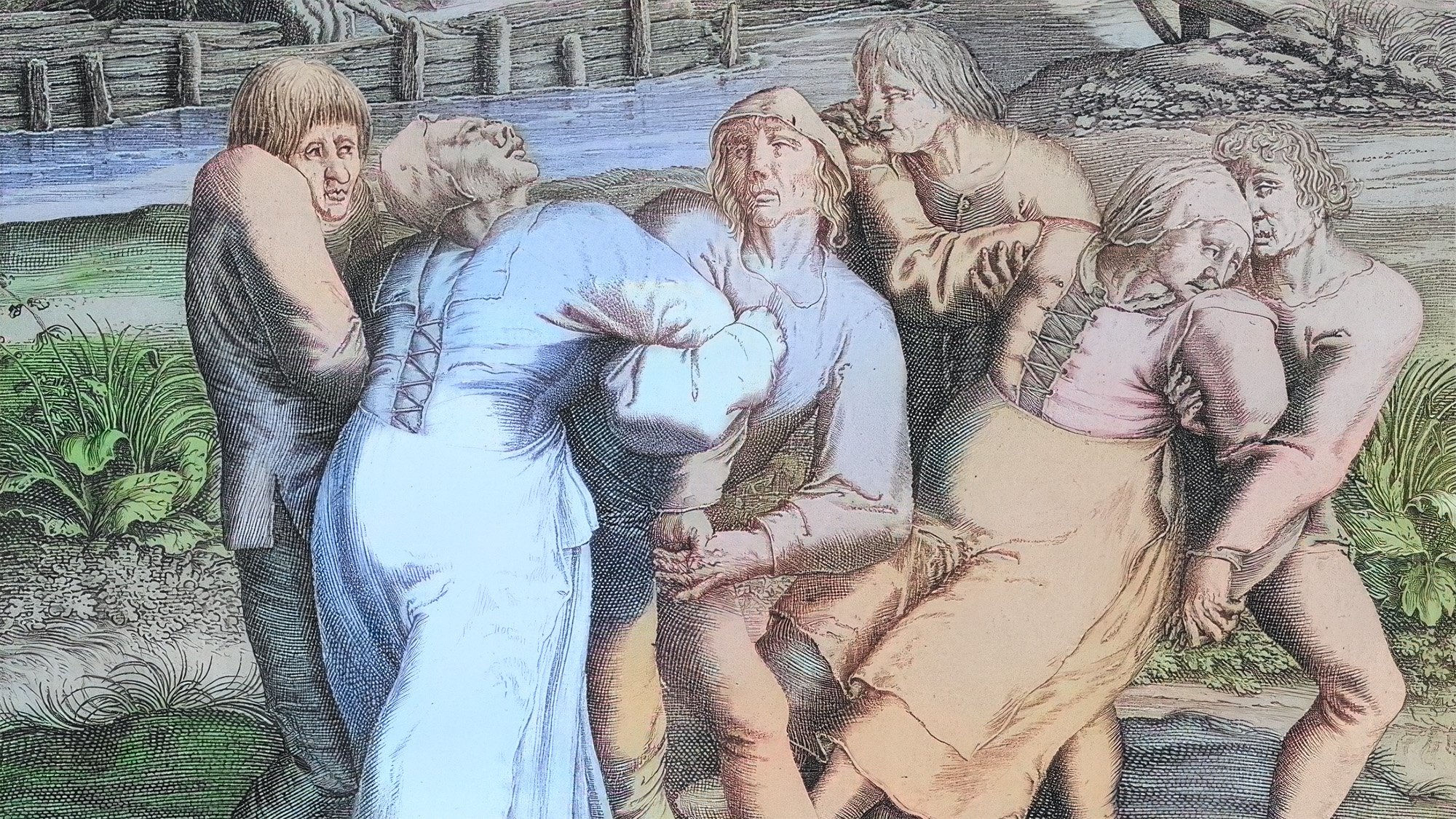
In July 1518, a woman named Frau Troffea in Strasbourg, France, began dancing uncontrollably in the street, and her actions soon sparked a wider outbreak.
Dozens of residents joined her, compelled to dance for days without rest. City leaders, believing the dancing was a curse from Saint Vitus, responded by building a stage and hiring musicians, hoping to allow the dancers to “purge impurities” and fulfill a perceived penance.
This approach proved dangerous as the dancers, exposed to the summer heat and lacking food and rest, began to collapse and die, with some reports claiming as many as 15 deaths per day. Authorities then reversed course, banning dancing and encouraging prayer, eventually transporting the remaining dancers to a shrine dedicated to St. Vitus. John Waller, a historian of medicine, suggests the outbreak stemmed from mass hysteria triggered by widespread psychological distress.
Years of poor harvests, disease, and social unrest left people vulnerable, and their existing beliefs about St. Vitus shaped how this distress manifested as uncontrollable dancing. Similar outbreaks occurred in western Europe between the 1300s and 1500s, often along major rivers that facilitated the spread of ideas.