Dinosaur discovery in Zimbabwe reveals unique African ecosystem
Summary and headline written by AI from the source article. How we work
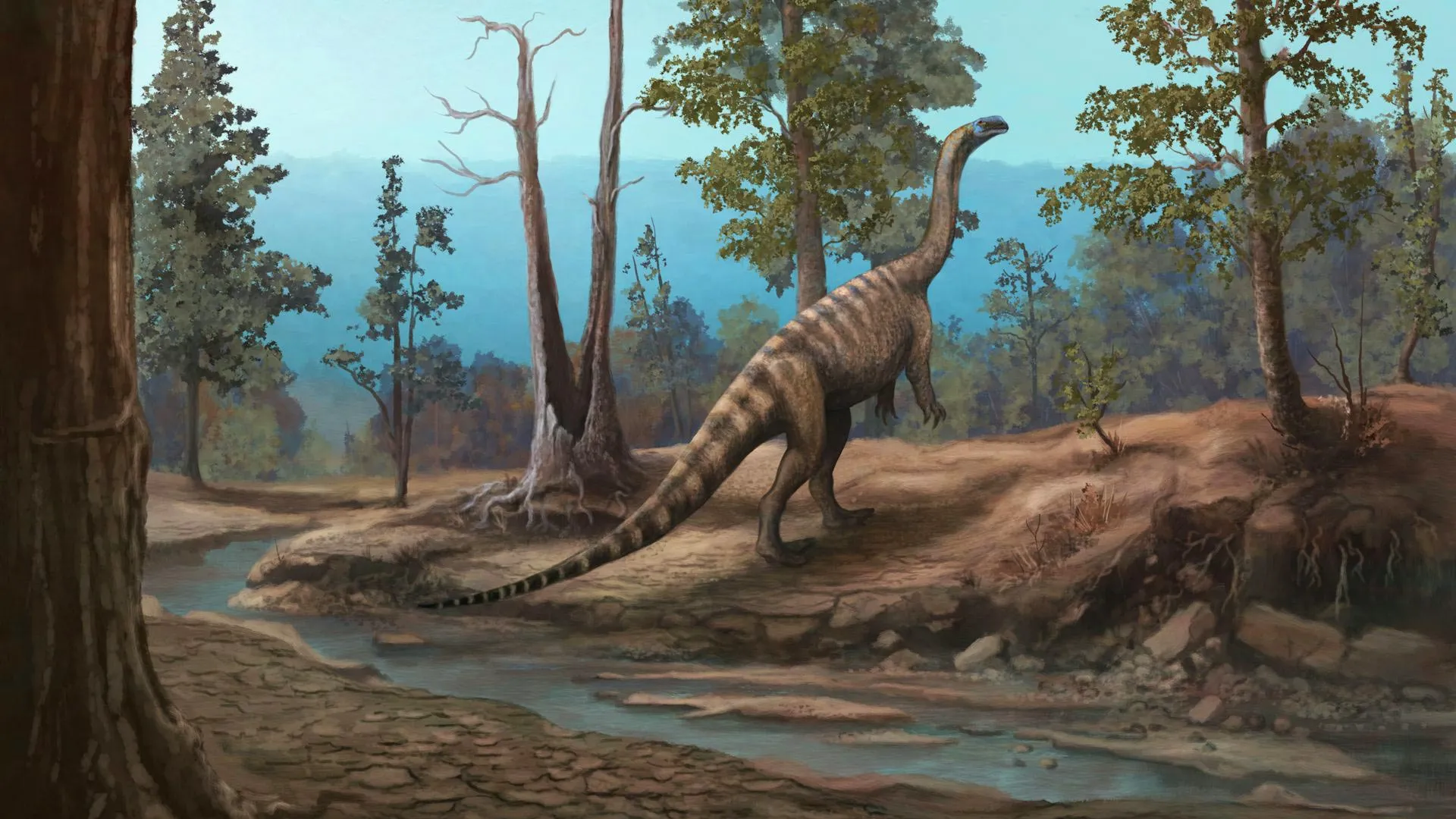
Paleontologists working in Zimbabwe discovered a 210-million-year-old dinosaur, Musango matusadonaensis, that indicates a distinct prehistoric ecosystem in the region.
The team, led by Jonah Choiniere of the University of the Witwatersrand, Johannesburg, excavated fossils from the shores of Lake Kariba inside Matusadona National Park using a houseboat as a mobile base. Musango was a bipedal sauropodomorph, an early relative of long-necked giants, reaching 4.5 meters in length and weighing 220 kilograms.
Researchers found that Zimbabwean dinosaurs differ from those in neighboring South Africa, and aren't even their closest relatives. This suggests ancient climate differences separated dinosaur populations across southern Africa, encouraging the evolution of unique species. Zimbabwean paleontologists Geoffrey Bond and Michael Raath first identified dinosaur bones in the country in 1916, but their work was largely overlooked until the 1970s.
The team also re-examined older collections from Bulawayo and found that many fossils previously assigned to South African species are actually unique to Zimbabwe. They plan to return to Kariba to collect more fossils and refine the dating of the rocks, hoping to better understand the environmental factors driving these differences and Zimbabwe’s role in early dinosaur evolution.