London abbey reveals identity in ancient sarcophagus
Summary and headline written by AI from the source article. How we work
Archaeologists in London have determined that a skeleton found inside a Roman sarcophagus at Westminster Abbey likely belonged to a medieval abbot.
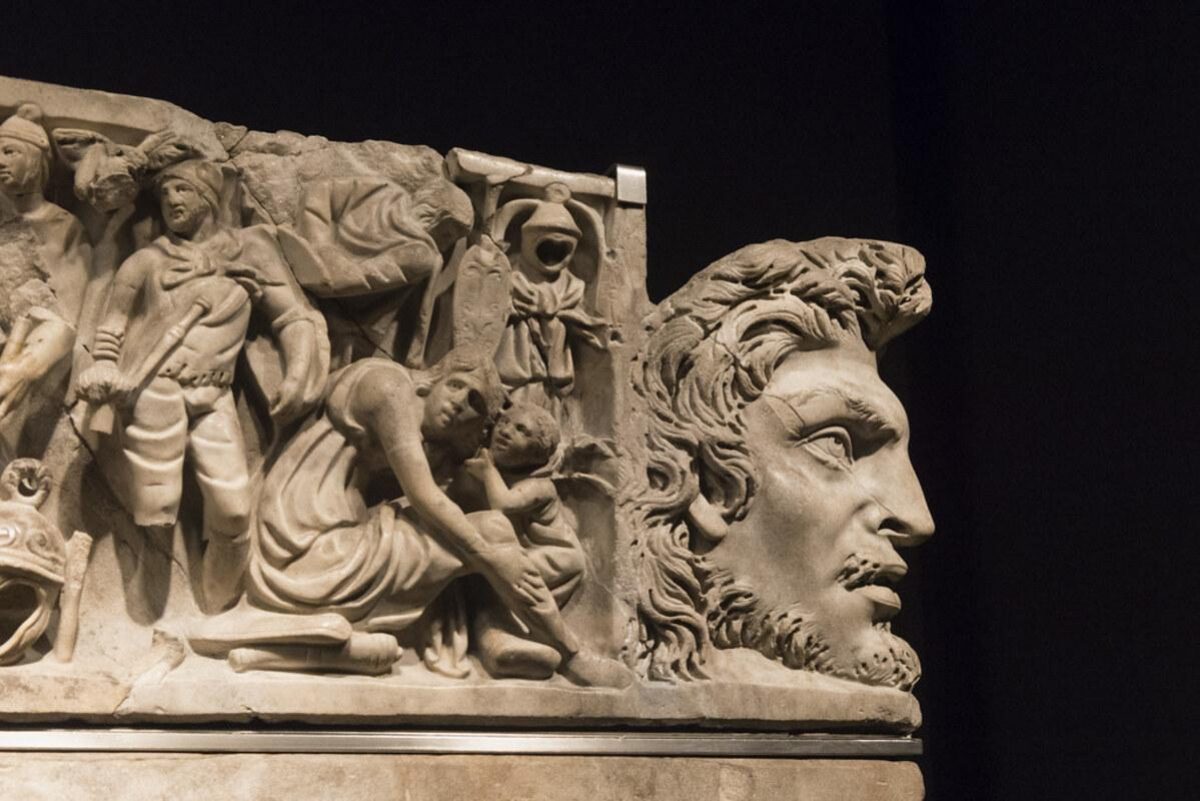
The limestone sarcophagus was first discovered in 1820, with formal excavations following in 1869. It bore a Latin inscription identifying a person named Valeria Amandina and featured Roman ornamentation, but no other Roman artifacts were found nearby. Researchers initially puzzled over the sarcophagus’s presence, but a 2018 study revealed the presence of a skeleton inside.
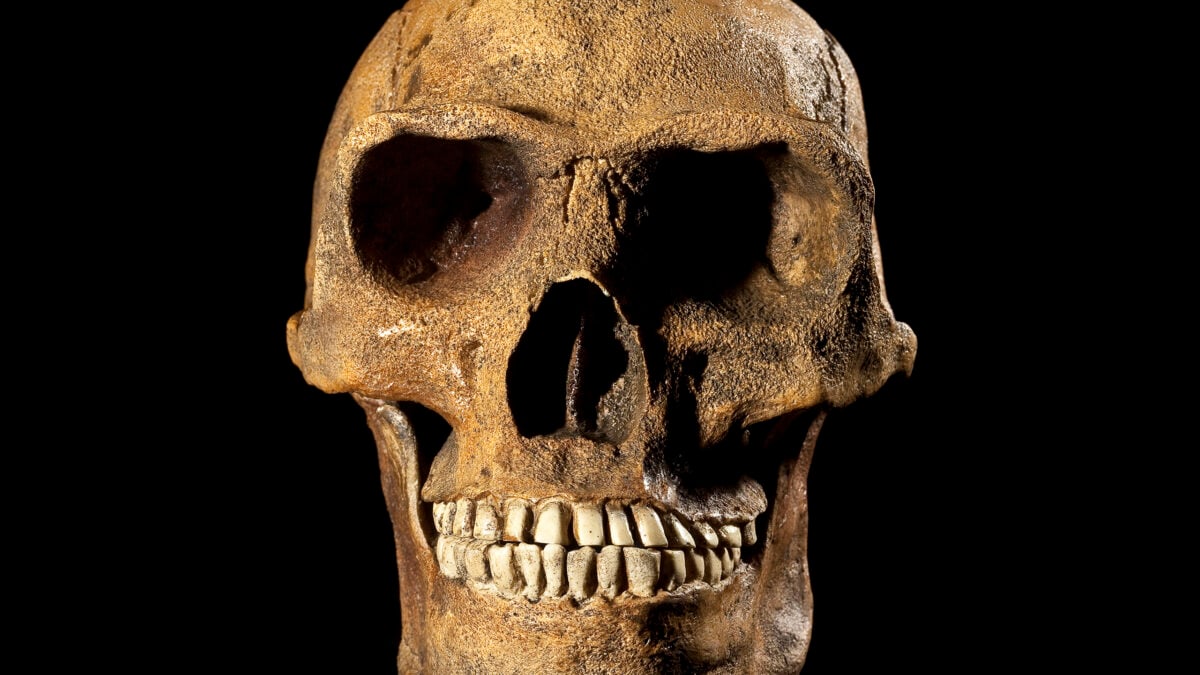
Analysis showed the individual was a man between 35 and 49 years old, approximately 175 cm tall. The team found evidence suggesting the body had been covered in lime and placed inside a wooden coffin within the sarcophagus before burial. Radiocarbon dating placed the remains to the late 10th or early 11th century, meaning the Roman sarcophagus was repurposed centuries after its creation.
Professor Warwick Rodwell believes the individual was likely a high-ranking churchman, possibly either Elfwig, who died around 1020, or Wulfnoth, who died around 1049, with Elfwig currently being the more likely candidate due to his long tenure as abbot. Rodwell suggests the sarcophagus was originally positioned in the east end of the abbey church before being moved during construction under King Henry III.