Málaga museum’s “¡olé!” exhibition replays Spanish tropes
Summary and headline written by AI from the source article. How we work
Critics say the Carmen Thyssen Museum in Málaga, Spain, presented an exhibition called “¡Olé!” that largely reinforced, rather than challenged, traditional images of Spanish culture.
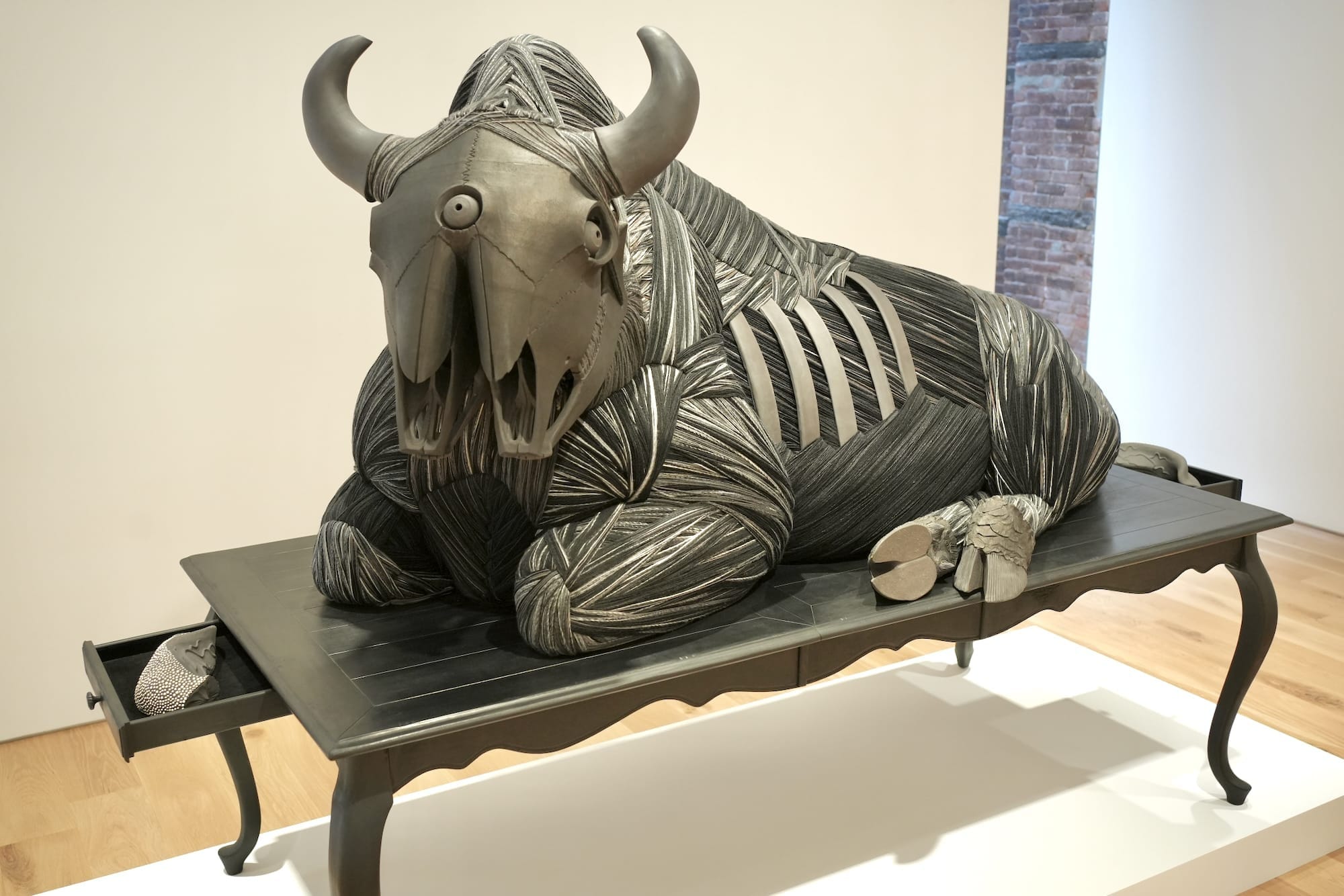
The exhibition included over seventy works from the 19th and 20th centuries, alongside a piece from 2009 by Pilar Albarracín. However, reviewers found that only a small portion of the displayed art, less than ten percent, actively questioned established Spanish stereotypes.
The museum’s description promised an exploration of how these tropes developed and were sometimes challenged, drawing connections between historical representations and Andalusian identity. But the exhibition primarily displayed works that perpetuated familiar, and sometimes distorted, depictions of Spain, reflecting how outsiders historically viewed the country. This approach, according to observers, made the show feel like a restatement of existing imagery rather than a critical examination.
Though the exhibition featured notable works by both Spanish and foreign artists and sparked some interesting visual conversations, reviewers lamented the lack of contemporary Andalusian artists who have actively worked to deconstruct those same stereotypes. The absence of artists like Colita, Parejo School, and others was seen as a missed opportunity to expand the exhibition’s scope and offer a more nuanced perspective on Spanish identity.