Ancient Egypt’s adornments reveal trade networks
Summary and headline written by AI from the source article. How we work
From 15,000 to 3100 BC, people in Egypt and surrounding areas changed how they lived and what they made as the climate shifted and they began farming.
Hunter-gatherers in the Near East, Sahara, and Nile Valley moved and settled near water sources, bringing new materials with them. Over time, Egyptians sourced goods from distant places like Anatolia and Mesopotamia through trade and migration.
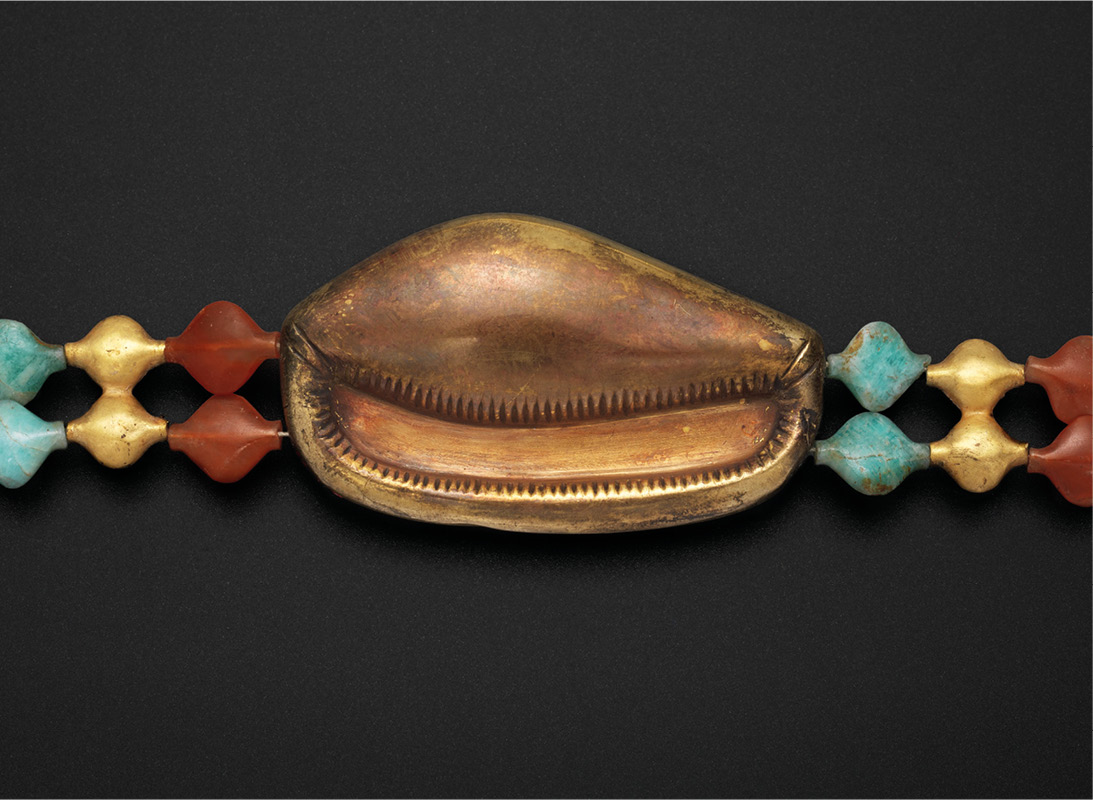
Archaeologists study personal adornments, beads, bracelets, and pendants, to understand how materials were used and where they came from. Early Egyptians crafted these items from local materials like bone, shell, and clay. As time passed, they incorporated materials like amazonite, potentially sourced from the Levant, Nubia, Libya, or Ethiopia, into their jewelry.
The Badarian culture, existing around 4400-4000 BC, showed more elaborate burials with a greater prevalence of adornments made from materials like alabaster, agate, and even copper from Sinai or Palestine. Later, during the Naqada periods, Egyptians used luxury materials like turquoise, lapis lazuli (from Afghanistan), and carnelian in their jewelry, indicating increased wealth and social hierarchy. The unification of Egypt led to even greater trade, bringing in materials like gold, silver, and more turquoise for adornment.
These objects found in burials suggest that they expressed status, beliefs, and style.


