Japanese animation reimagines Bosch’s surreal Garden
Summary and headline written by AI from the source article. How we work
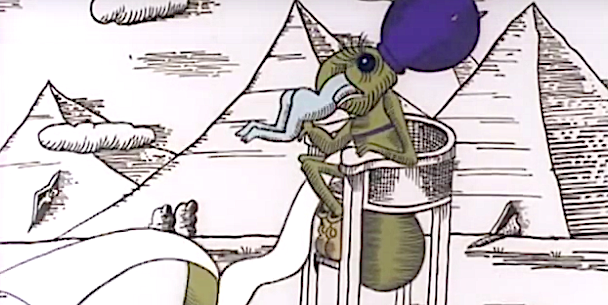
In 1972, Japanese animator Yōji Kuri created “The Midnight Parasites,” a short film set within the world of Hieronymus Bosch’s painting The Garden of Earthly Delights.
Kuri’s work responds to the strange imagery of the 15th-century Dutch artist, acknowledging that modern viewers likely interpret Bosch’s symbolism differently than audiences in his own time. While Bosch intended his paintings as moral lessons, people today often see them as bizarre and darkly humorous.
Kuri’s animation depicts a cyclical world of life and death where figures consume waste and excrete gold, facing violence and rebirth. The film reflects Kuri’s critique of post-war Japanese society, particularly the rapid embrace of materialism and consumption following World War II. He and other animators questioned the direction of their country and the world at large, using their art to express these concerns.
Critics suggest that Kuri’s interpretation doesn’t misrepresent Bosch’s intent, but rather applies Boschian imagery to contemporary moral failings. Although the original meanings of Bosch’s symbols may remain elusive, Kuri uses them to comment on new forms of cruelty and excess.