Ancient crocodile relative reveals diverse Jurassic ecosystem
Summary and headline written by AI from the source article. How we work
Scientists from the University of Portsmouth and Hassan II University of Casablanca discovered fossils of a new crocodile relative, Ctenosuchus tenuidens, in Morocco.
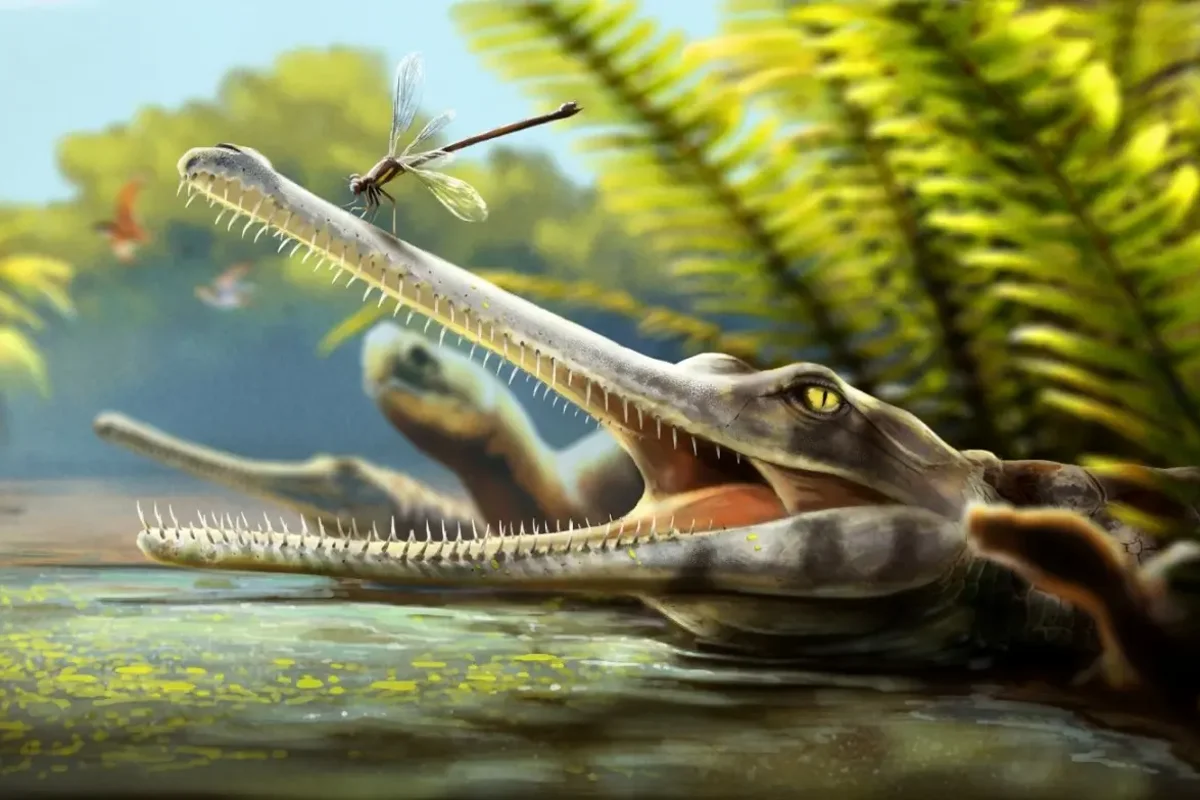
The 170-million-year-old remains came from rocks formed in ancient rivers and lakes within the Atlas Mountains of southeastern Morocco. Unlike modern crocodiles, Ctenosuchus tenuidens possessed a long, narrow snout and uniquely thin, needle-like teeth.
Researchers determined the animal likely consumed soft prey such as shrimp, worms, and small fish, avoiding larger, struggling catches that would damage its delicate teeth. This specialized diet distinguishes it from other long-snouted crocodiles and suggests similar feeding adaptations evolved independently in different prehistoric animal groups. The discovery expands understanding of Jurassic ecosystems in Africa and indicates that crocodile relatives once occupied a broader range of habitats and feeding niches than previously known.
The scientists believe Morocco holds many more undiscovered fossils and hope to learn more about the diversity of ancient crocodile relatives that lived in Gondwana, the ancient supercontinent that included Africa.


