Ancient reliefs reveal life in Neolithic Turkey
Summary and headline written by AI from the source article. How we work
Archaeologists in Turkey’s Sayburç discovered an 11,000-year-old stone relief depicting humans and animals, potentially the oldest known narrative scene carved in stone.
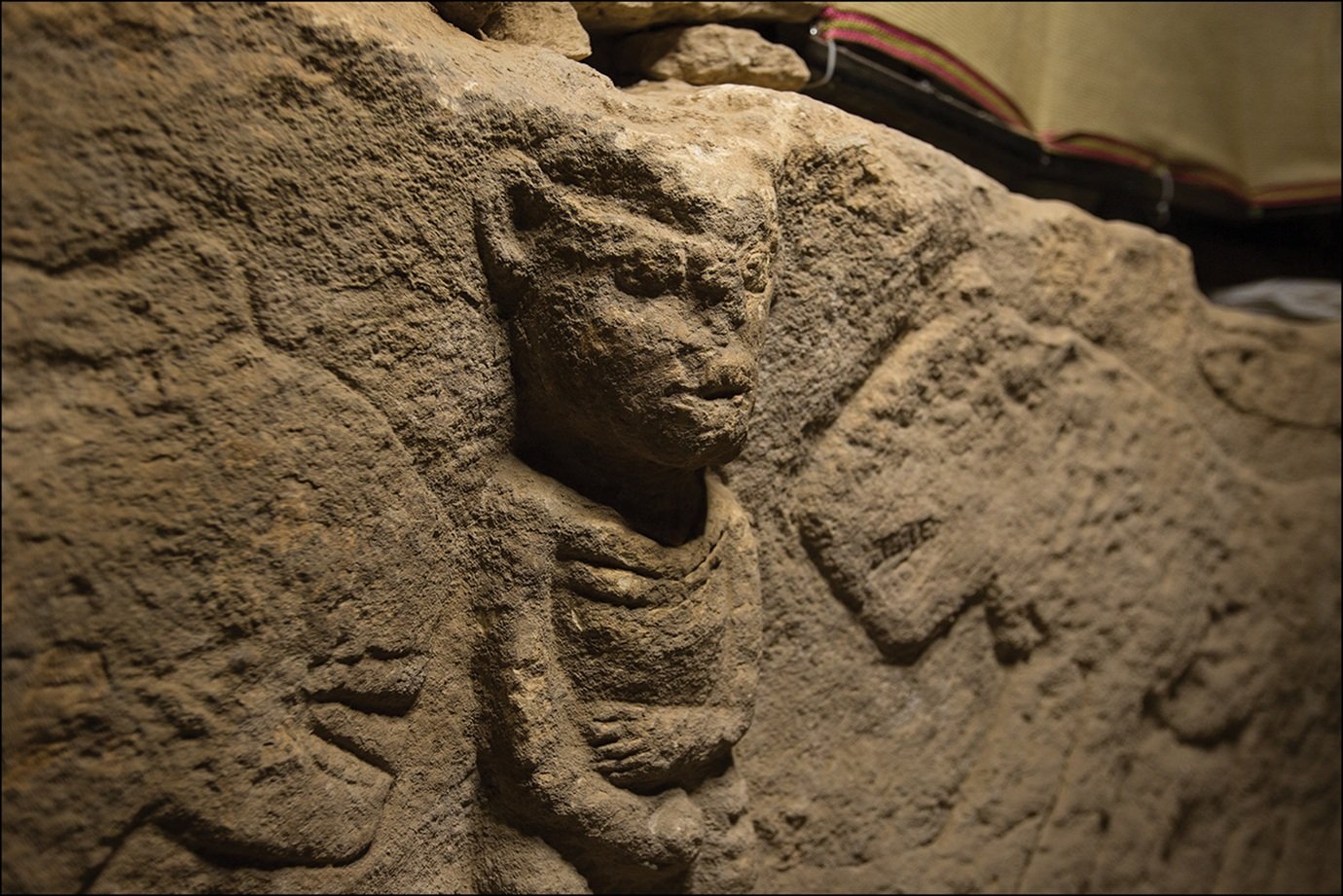
The discovery occurred during excavations that began in 2021 after museum staff recognized prehistoric pillars being used by locals. Researchers have identified around 70 structures at the Neolithic settlement, including homes and communal buildings. The relief, found within a circular communal building, shows five figures, two men, two leopards, and a bull, arranged in a sequence.
One man has six fingers on one hand and holds an object, while the other stands between the leopards, which are shown with exposed teeth. Eylem Özdoğan, an archaeologist at Istanbul University, published a study in Antiquity describing the composition as a unique example of early narrative art.
While the exact meaning of the relief is unknown, researchers propose interpretations ranging from encounters with dangerous animals to rituals related to fertility or passage into adulthood. Özdoğan believes the images served to preserve collective memory and values within a pre-literate society. Excavations also revealed that Sayburç’s inhabitants carefully buried their dead within their homes, and sometimes sealed the mouths of the deceased, suggesting continued familial connection even after death.
The site is part of Taş Tepeler, a larger collection of Neolithic archaeological sites in southeastern Turkey.