Pāyāḥ rituals reflect changing values in Nepal
Summary and headline written by AI from the source article. How we work
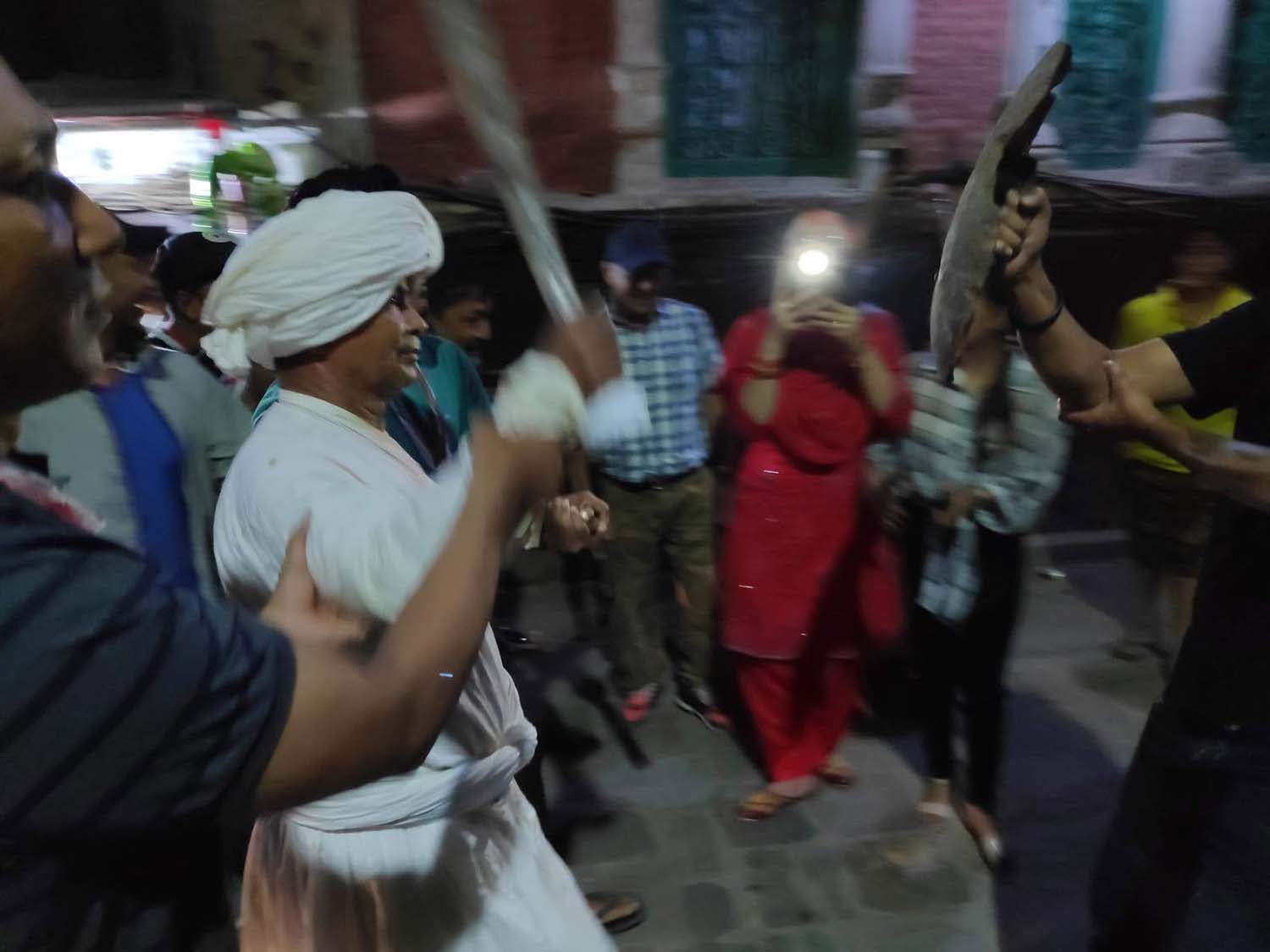
In the Kathmandu Valley of Nepal, men perform the Pāyāḥ procession on the tenth day of Mohani, a festival coinciding with Vijayā Daśami, carrying ceremonial swords through their neighbourhoods.
Historically, this ritual was a tribute to Ajimā, the primordial mother goddess and protector deity of the Newa people, and connected to the founding of the city of Kāntipur, which was planned in the shape of a sword.
King Guṇakāma Deva of the Lichhavi dynasty established eight shrines to Ajimā along the city’s borders to protect it from invaders. Over time, the Pāyāḥ procession has absorbed new meanings and practices. While originally a parade honoring the sword as a symbol of Ajimā’s power, the modern ritual often includes cutting vegetables with the swords, a practice that some see as overshadowing its original intent.
The celebration has also been reinterpreted by some Newa people to align with the Vedic tradition of Durgā slaying the demon Mahishāsur, an import from the south. The article notes that the original significance of the Pāyāḥ ceremony is threatened by these additions and by urban development that has encroached on three of the eight Ajimā shrines.
However, the Vajrayāna sect of Buddhism, common among the Newa people, has integrated the Pāyāḥ procession into their practices, viewing the sword as a symbol of spiritual insight and enlightenment. The ritual also historically served a practical purpose, intimidating potential rice field raiders during the harvest season.