Balinese women redefine dance roles
Summary and headline written by AI from the source article. How we work
In Bali, Indonesia, the Luh Luwih troupe and other all-women groups are challenging traditional gender roles in performing arts.
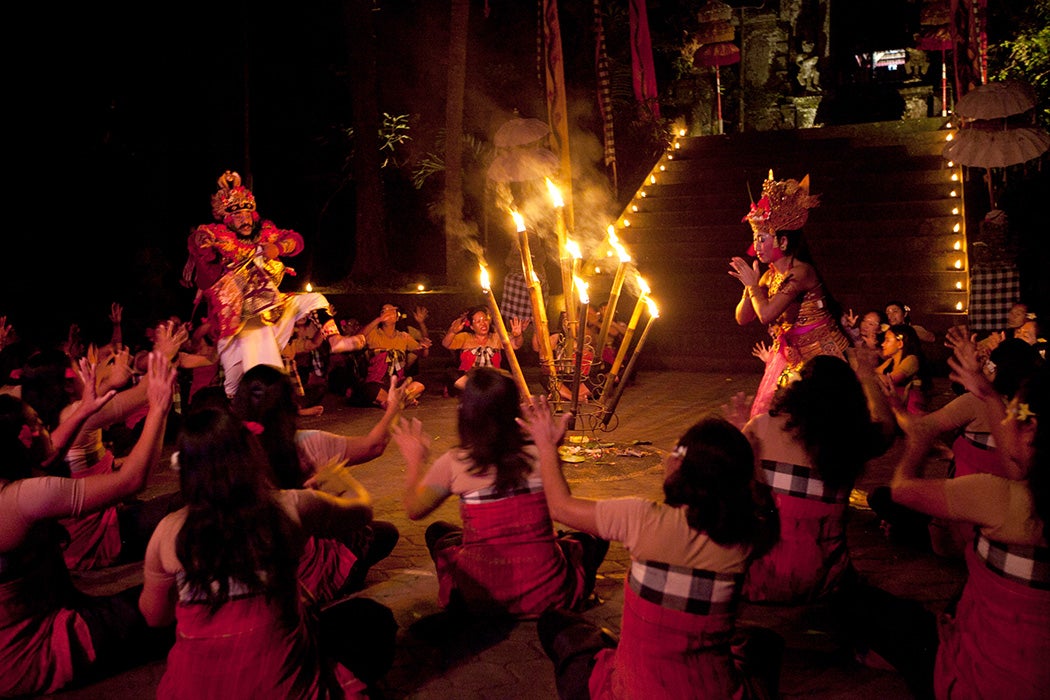
Founded in 1995, Luh Luwih, a thirty-member ensemble, performs dances and musical genres historically reserved for men, such as wayang wong and kecak. Scholar Catherine Diamond notes this appropriation of male forms is a way for the women to demonstrate their “femaleness” while redefining it. Traditionally, Balinese women stopped dancing after marriage and contributed to religious service, called ngayah, through offerings.
Now, women are increasingly participating in ngayah by playing gamelan music and continuing to dance beyond their youth. They are seeking roles that better reflect their life experiences, leading them to adopt traditionally male characters in performances. The growth of tourism since the 1960s has also influenced these changes. While tourists often expect to see feminine performances, this perception may discourage male dancers and open opportunities for women.
Some performers, like Cok Sawitiri, are further pushing boundaries by reinterpreting classic narratives to portray women in more assertive and unconventional roles, such as Candra Kirana’s reimagined story in Aku Bukan Perempuan Lagi. Through these innovations, Balinese women are expanding the definition of what constitutes “Balinese” art.