Neanderthal survived lance wound 75,000 years ago
Summary and headline written by AI from the source article. How we work
Around 75,000 years ago in Shanidar Cave, located in Iraqi Kurdistan, a Neanderthal man, known as Shanidar A, died from a lance wound to the chest.
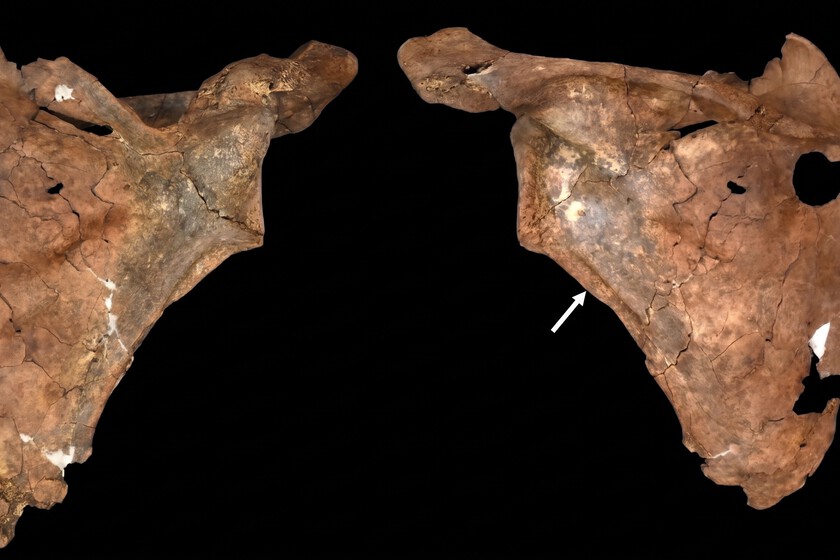
Researchers examined bone fragments and fractures around a 15-millimeter hole in his shoulder blade to reconstruct the path of the weapon. The lance entered from above, piercing his left lung and likely major arteries before exiting through the shoulder blade, suggesting a targeted attack.
This Neanderthal had previously survived a severe facial injury that fractured his teeth, an injury that would have required care from others. Scientists believe this evidence demonstrates both violence and compassion existed among Neanderthals. The discovery represents some of the oldest known evidence of lethal interpersonal violence involving a wooden lance in the hominin fossil record.
Graeme Barker of Cambridge University noted that evidence of systematic violence is rare in the deep prehistory, usually appearing much later with settled agricultural communities. For decades, the cave of Shanidar has challenged the stereotype of Neanderthals as brutish and unempathetic. Shanidar A was buried with four other individuals, suggesting intentional burial practices. Archaeologists acknowledge the possibility of an accidental injury during a hunt, but they consider violence between Neanderthals the more likely explanation.
The team continues to excavate Shanidar Cave, building on work begun in the 1950s that has yielded valuable insights into Homo neanderthalensis.


