Mozart’s first biography opposed genius concept
Summary and headline written by AI from the source article. How we work
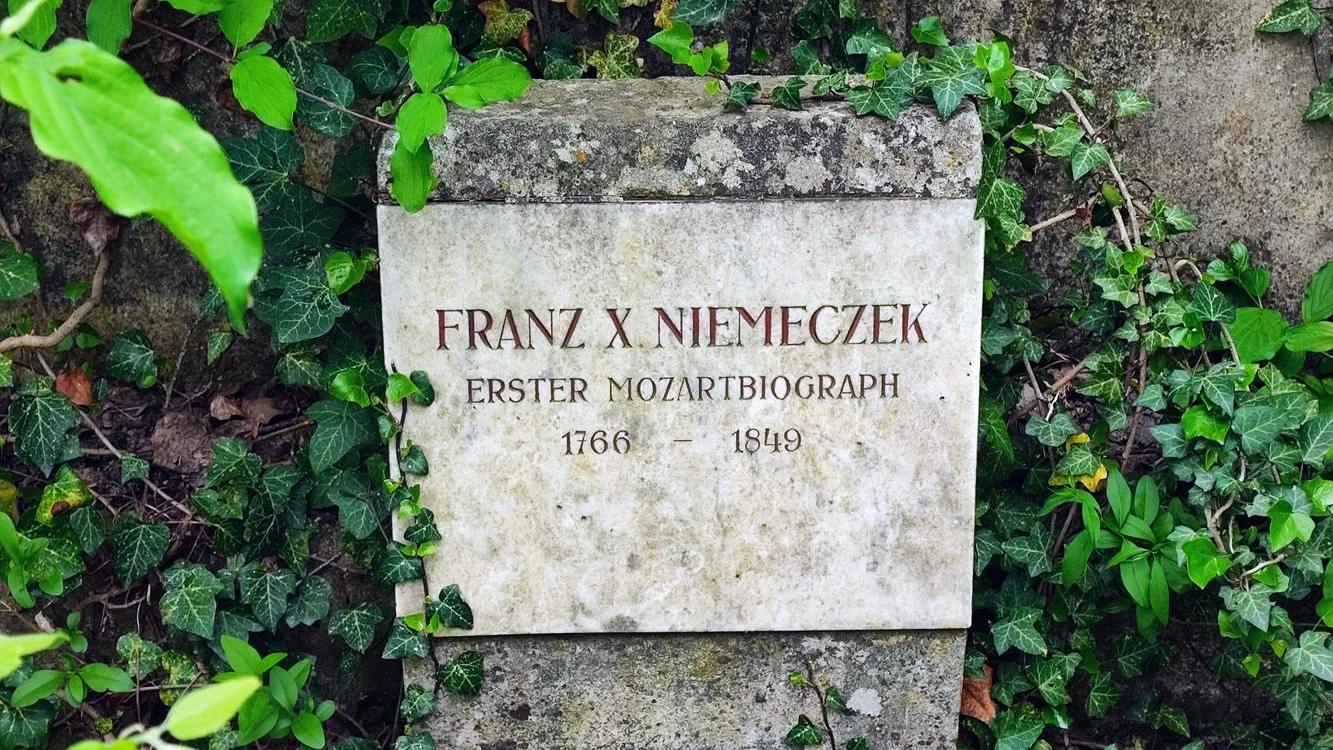
In 1798, philosopher Franz Xaver Niemetschek published the first biography of Wolfgang Amadeus Mozart, and recent research by Tomáš Hlobil reveals the book served as a rejection of the idea of musical genius as innate talent.
Hlobil discovered that Niemetschek intentionally referenced earlier 18th-century thinkers to position himself against the growing Romantic movement and the philosophy of Immanuel Kant.
Niemetschek believed Mozart exemplified a different kind of genius, one developed through dedicated education and a rational understanding of artistic rules, with his father, Leopold Mozart, providing crucial instruction. This contrasted with the emerging Romantic view of genius as spontaneous and exceptional.
Niemetschek aimed to demonstrate how Mozart integrated into the world, rather than standing apart from it, seeing the composer as a “man of education.” Researchers had previously focused on verifying the factual accuracy of Niemetschek’s biography, given his close ties to Mozart’s widow and sons. Hlobil’s work shifts the focus to Niemetschek’s motivations, suggesting the author may have used his account of Mozart’s life to promote his own philosophical ideas.
It also raises questions about the extent to which Mozart’s widow, Konstanze, influenced Niemetschek’s interpretation. Hlobil’s study will be published in 2026 as “Ästhetik der objektivierenden Nüchternheit.”