Photographer preserved vanishing everyday architecture
Summary and headline written by AI from the source article. How we work
Frances Benjamin Johnston, an American photographer, documented quickly disappearing buildings in rural Virginia starting in the 1920s.
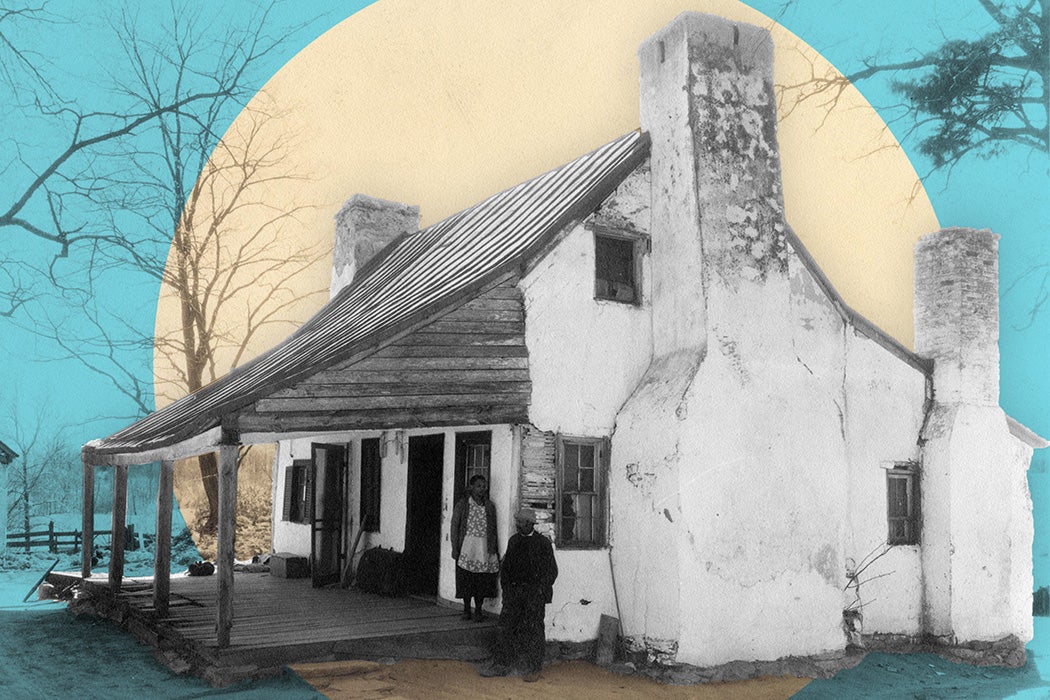
She began her career in Washington, DC, becoming the first established woman photographer in the city and working as a photojournalist for publications like Ladies’ Home Journal. A commission to photograph Chatham Manor led her to notice the lack of photographic documentation of common buildings, mills, cabins, and barns, that were rapidly falling into disrepair.
Johnston expanded her focus beyond grand estates, having previously photographed properties for families like the Astors and Vanderbilts, to include the everyday architecture of the Virginia countryside. She believed these structures deserved a place in the historical record, even though they were not considered prestigious subjects at the time. Johnston meticulously scouted locations and waited for ideal lighting conditions, sometimes capturing fifteen good negatives of a single structure in a day.
Her work now resides in the University of Virginia’s Frances Benjamin Johnston Architectural Photography collection, providing a valuable record of a vanishing built landscape. Architectural historian Dell Upton noted in 1981 that few vernacular buildings had been extensively documented, highlighting the importance of Johnston’s foresight. Today, the study of everyday buildings is common, but Johnston began this work decades before widespread scholarly interest emerged in the 1970s and 1980s.