New book links Donald Judd’s art to everyday objects
Summary and headline written by AI from the source article. How we work
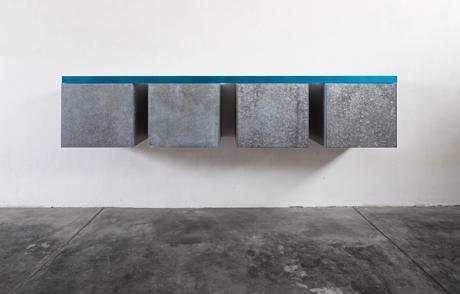
Art and architectural historian Neil Levine published The Sculpture of Donald Judd, a book examining the work of the American artist Donald Judd (1928-94).
Levine traced Judd’s artistic development from painting to sculpture, offering a chronological analysis of his practice. The author, who befriended Judd around 1965, used decades of observation and memories of their relationship to form his new interpretation.
Levine believes a critical distinction exists between an artist’s writing and their art, suggesting Judd’s essays, often cited when discussing his work, do not directly explain his sculptures. He discovered the importance of found objects in Judd’s early work, pointing to a painting with a baking tin as an example. Levine argues this use of real-world items positions Judd’s work as concrete art, a commentary on the abstractness of modern life.
The author’s relationship with Judd began after a challenging experience reviewing a 1965 exhibition. A sculpture called To Susan Buckwalter deeply affected Levine, leaving him unable to write a review. Later, a trip to France in 1975, intended to understand Judd’s thinking, led to a falling out and ended their friendship. Levine’s book, published by Yale University Press, details these interactions and his evolving understanding of Judd’s art.