Mongol empire’s “yam” system enabled rapid communication
Summary and headline written by AI from the source article. How we work
Mongol warriors created the second largest land empire in history, and they also built the fastest message transmission system until the modern era. Known as the Yam, this network allowed them to control territories across two continents and stay ahead of rivals.
In 1206, Genghis Khan founded the Mongol Empire, which eventually stretched approximately 33 million square kilometers from the Pacific Ocean and China to the Black Sea.
The empire expanded through the 13th and 14th centuries thanks to a remarkably effective army known for its speed, endurance, discipline, and tactical prowess. Beyond military strength, the Mongols succeeded because of their efficient communication system, the Yam. Genghis Khan established and his successors perfected it, creating what amounted to a “high-speed internet” for the steppes. This allowed them to gather information quickly in a world where travel was slow due to limited transportation.
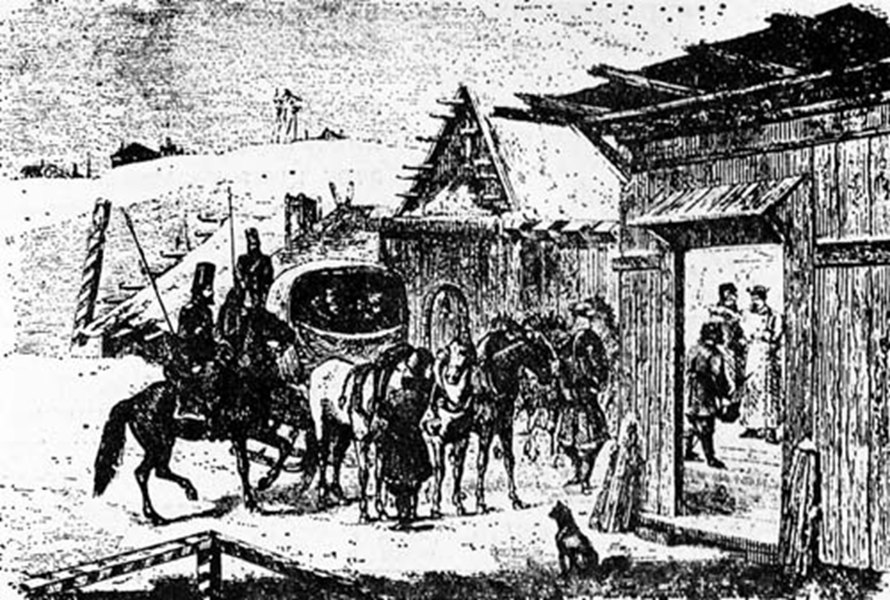
The Yam functioned as a vast network of relay stations stretching from Eastern Europe to China. These stations, positioned roughly 60 kilometers apart along major routes like the Silk Road, provided fresh horses, food, and shelter. Stations were heavily guarded, and destruction of one meant total annihilation for the surrounding area.
Couriers, called yamchi, rode tirelessly between stations, using techniques to withstand the physical strain of constant galloping, tight wrappings around their bodies, bells on their clothing to signal their approach, and even torches at night. The system also utilized a metal tablet called a paiza, which served as a passport and granted messengers diplomatic immunity and access to resources. Marco Polo described the network as containing over 10,000 stations and 300,000 horses.