Cave in Germany reveals early symbolic thought
Summary and headline written by AI from the source article. How we work
Archaeologists in southern Germany have excavated Hohle Fels cave since 1870, uncovering evidence of complex Ice Age cultures.
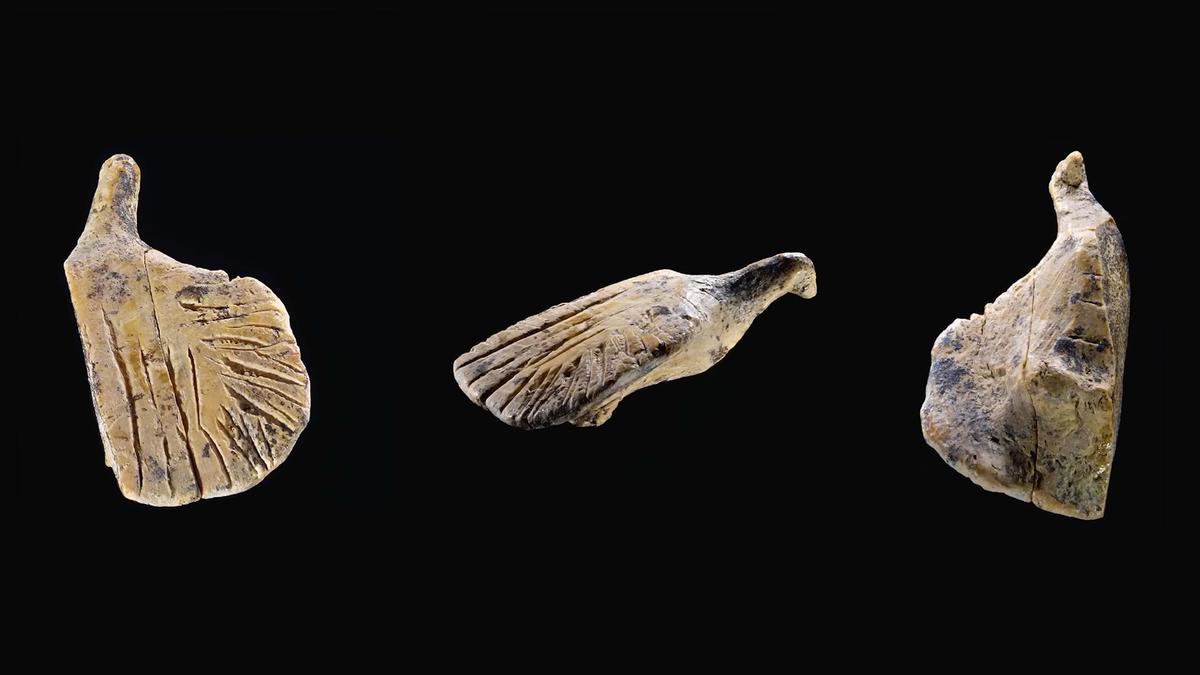
The site has yielded artifacts dating back 43,000 years, including early examples of figurative art and musical instruments. Nicholas Conard, the excavation leader, suggests these discoveries demonstrate that Ice Age people held myths, beliefs, and rituals similar to those of modern humans. Conard recently focused on two small ivory bird figurines found at Hohle Fels.
He believes that a developed symbolic culture may have helped humans thrive and possibly outcompete other hominins, such as Neanderthals. The cave continues to offer insights into the origins of human symbolic thought and cultural practices.