Vilnius reveals Ottoman power through ceramics
Summary and headline written by AI from the source article. How we work
Restorers at the Palace of the Grand Dukes of Lithuania discovered ceramic fragments linking the royal court to the Ottoman Empire in the 16th century.
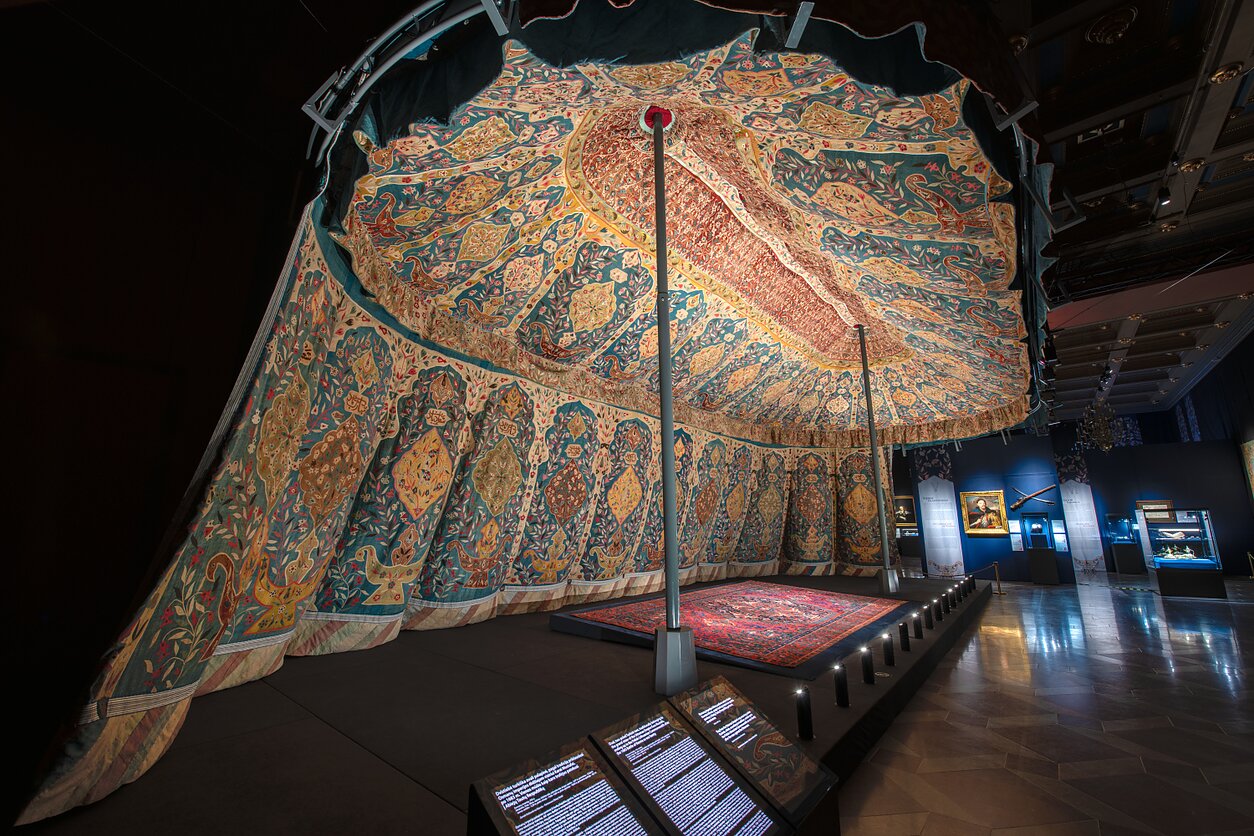
While excavating the Lower Castle in Vilnius, Lithuania, archaeologists found pieces of Iznik ceramics, pottery from a significant production center in what is now Turkey. These restored items reveal new details about trade routes and dining customs within the Grand Duchy of Lithuania during the Renaissance.
The ceramics feature patterns that originally represented power, courage, and the Sultan’s status. These designs, including motifs of leopard spots and tiger stripes, adorned both pottery and the luxurious clothing reserved for the Sultan and his family. The patterns combined Chinese porcelain influences with uniquely Ottoman symbolism, reflecting the era’s fascination with luxury goods from the East. Researchers found eight fragments of Iznik pottery at the site, a rare discovery in Lithuanian archaeological materials.
While the exact route these ceramics took to Vilnius remains unknown, they likely arrived through sea trade via ports in present-day Poland or as diplomatic gifts. One particular bowl was found in the area associated with Bona Sforza, a queen consort, suggesting a connection to the upper classes. The restored fragments are now on display in an international exhibition at the Palace of the Grand Dukes museum.