New dinosaur species, Invictibellatrix, identified in England
Summary and headline written by AI from the source article. How we work
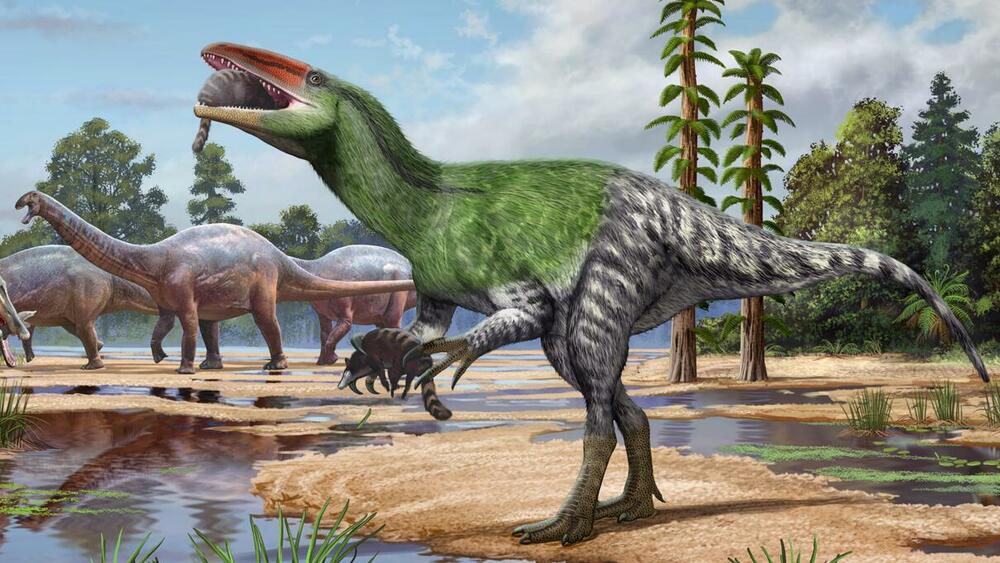
Paleontologists in London identified a new dinosaur species, Invictibellatrix amberina, from fossils discovered on the Isle of Wight, a British island, over a century ago.
The dinosaur, a long-clawed predator roughly the size of a large tiger, belonged to a group called megaraptors, close relatives of the more famous Tyrannosaurus rex but with slimmer skulls. Researchers describe Invictibellatrix as one of the smallest and oldest megaraptors discovered so far, living approximately 120 million years ago during the early Cretaceous period.
The fossil was originally found by amateur paleontologist Reginald Walter Tully in 1924 and acquired by the Natural History Museum. For nearly 100 years, a portion of the dinosaur’s skull remained unstudied within the museum’s collection until Doctor Cassius Morrison from University College London noticed it. Scientists used CT scans and 3D modeling to compare the skull with those of other dinosaurs, confirming it represented a previously unknown species.
Invictibellatrix, meaning “unconquered warrior,” likely hunted smaller dinosaurs, lizards, and mammals, filling a similar ecological role to modern hyenas. Megaraptors are considered among the most mysterious of large predatory dinosaurs, with few fossils found to date. This discovery marks the first time a megaraptor fossil has been found in Europe, and researchers suggest many more discoveries may still be hidden within existing museum collections.