Afghan women lead civil resistance against gender apartheid
Summary and headline written by AI from the source article. How we work
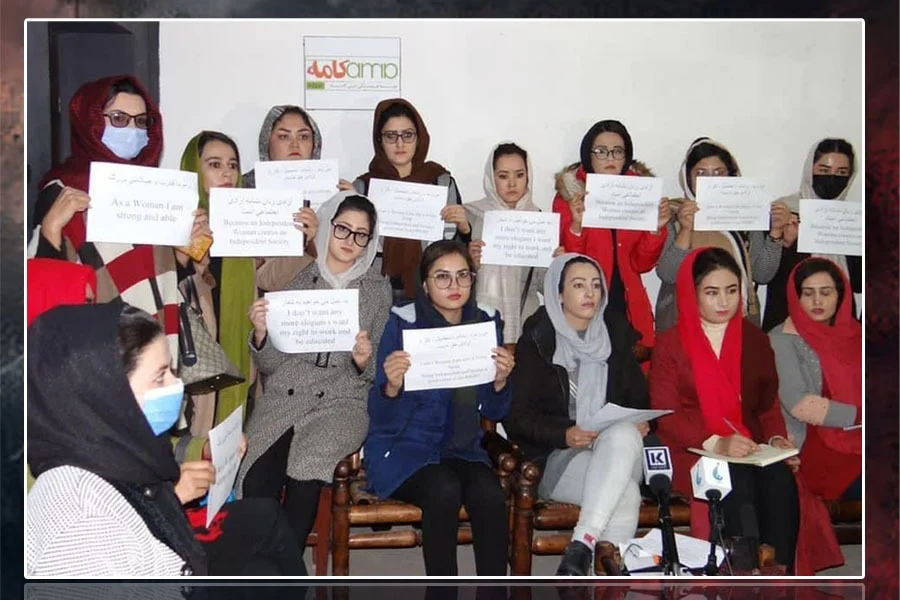
After the Taliban regained power in Afghanistan, women initiated widespread protests against restrictions on education, employment, and public life.
These movements emerged spontaneously and independently, relying on street demonstrations, online activity, and small gatherings to voice demands for basic rights. Researchers examined 19 women’s protest movements, along with data from over 1,035 protest events and 580 closed-venue activities, finding that Afghan women actively resist oppression rather than simply enduring it.
The women’s demands included access to education and work, political participation, civil liberties, and freedom of movement. These protests extended beyond Afghanistan, with women in Europe, the United States, Canada, and Asia joining the advocacy efforts. The study identified 18 distinct protest movements, though many more operate discreetly due to security concerns. The Taliban responded to these protests with arrests, threats, torture, and intimidation of activists and their families, attempting to silence dissent and force confessions.
Researchers noted similarities between the Taliban’s methods of social control and those used in Iran. The study stresses that portraying Afghan women solely as victims overlooks their agency as political actors, comparing their struggle to the anti-apartheid movement in South Africa, where systematic discrimination denied equal rights based on identity. The authors urge international support for Afghan women not just as victims, but as leaders shaping the future of their country.