Artist’s 50 years of isolation yields scientific record on Sable Island
Summary and headline written by AI from the source article. How we work
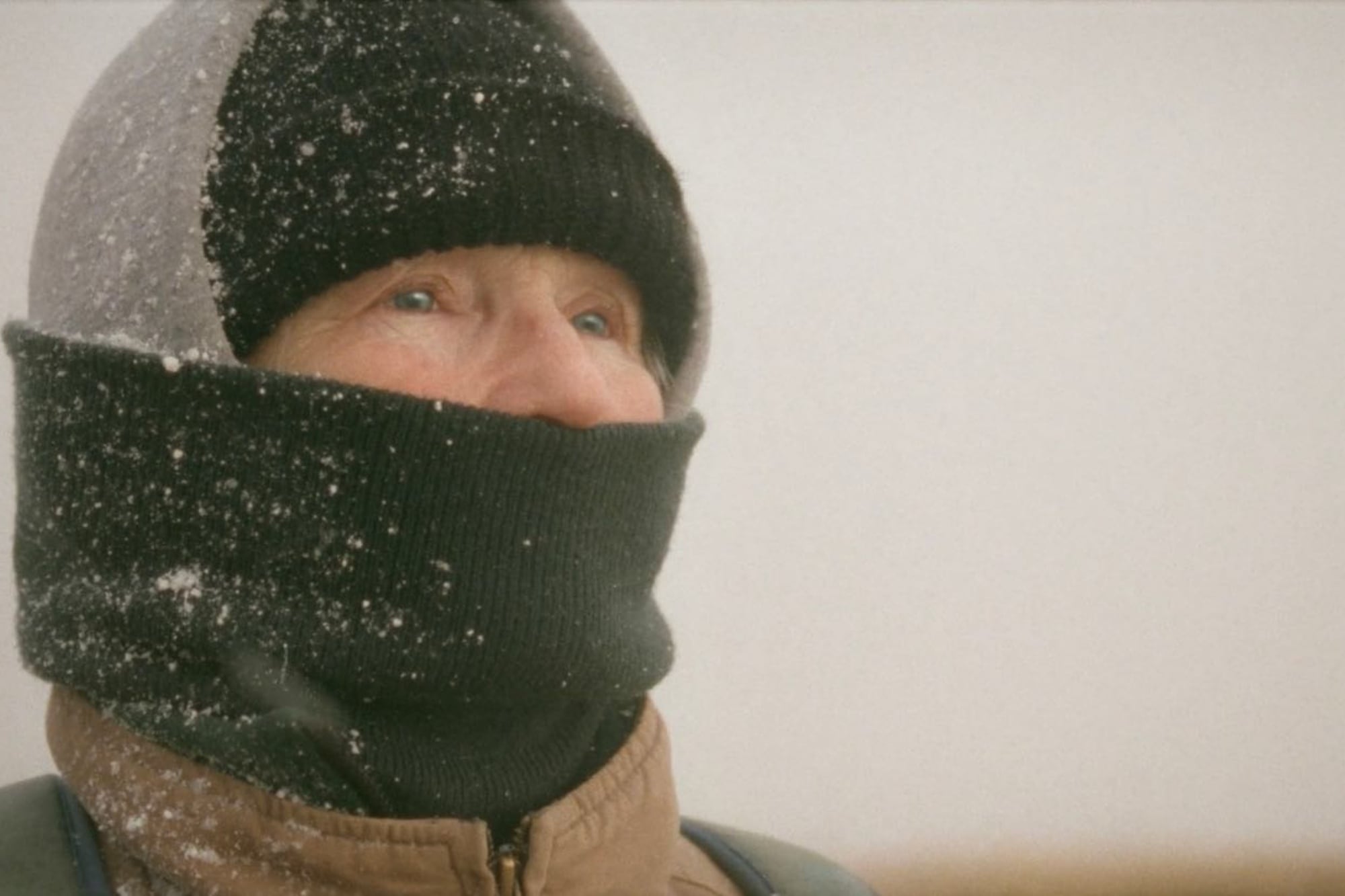
In 1971, Canadian artist Zoe Lucas travelled to Sable Island, a remote sandbar located over 150 kilometers off the coast of Nova Scotia, initially to photograph the island’s wild horses for an art project.
She soon discovered a complex ecosystem beyond the horses and noticed a lack of consistent scientific study of the local plants and animals.
Lucas returned to the island in 1974 as a volunteer field assistant for a Dalhousie University research team studying seals, and in 1982 she made the island her permanent home and professional focus. For nearly fifty years, Lucas dedicated herself to restoration projects and systematic data collection. She manually transplanted thousands of beach grasses to combat erosion and stabilize the dunes, and she cataloged native plants, fungi, and mosses.
Lucas also mapped the populations of bees and pollinating insects living in the area. Beyond botanical studies, Lucas consistently documented environmental impacts. She collected and classified plastic waste and debris washed ashore, recorded oil on seabirds, analyzed shark and seal interactions, and documented stranded whales along the island’s coast. Her individual records eventually formed the basis for larger institutional initiatives.
Lucas founded the Green Horse Society in 2002 and later helped establish the Sable Island Institute, both organizations focused on research, monitoring, and education. Thanks to her four decades of data, the Canadian government recognized the area’s value and designated Sable Island as a National Park Reserve in December 2013, providing the highest level of legal protection to its native species.