Sei Shōnagon chooses a book about color’s origins

Summary and headline written by AI from the source article. How we work
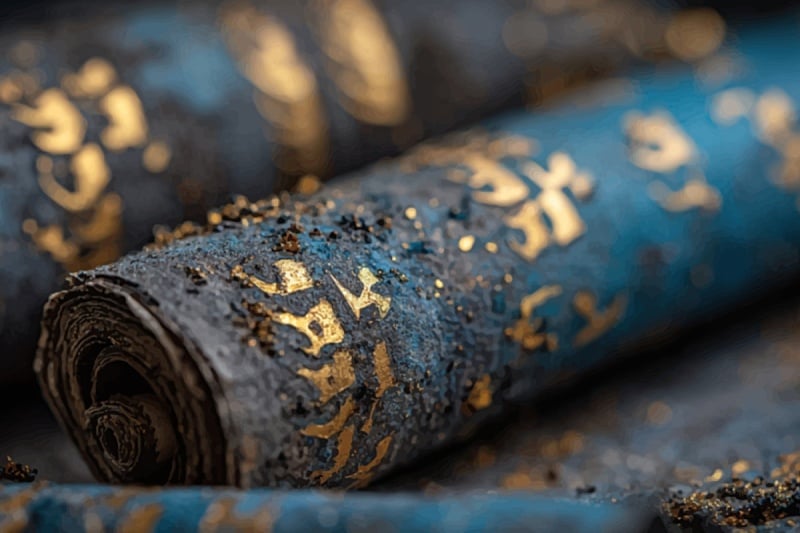
In 1183 Japan, Sei Shōnagon selected Niji (Rainbow) as her favorite book after being asked by court officials.
She spent two days reviewing her memories and borrowed collections before deciding on the volume she had first read at age twenty. Shōnagon found a copy with the help of the Secretary of the Left and paid him with perfumed orchid tea, a gesture of both gratitude and continued obligation.
Shōnagon initially worried that time had changed either the book or her perception of it. She considered works from the libraries of Turu Kamo, but ultimately preferred Niji. She did not maintain a personal library, believing books move between people and places, illuminating new readers over time. Niji itself was anonymous, attributed to an elderly flautist named Ide, though certainty about the author remained elusive.
The book described the origins of color in stellar terms, giving colors voices that spoke through natural elements like roses and rivers. Shōnagon imagined each color of the rainbow having a distinct temperature, and believed that observing the earth, orchards, fruit, moss, revealed the sky’s message. She found the book enchanting both as a young woman and later in life, recognizing its ability to connect her past and present selves.
When asked why she chose it, she explained that the rainbow always returns, offering a perfect gradation of colors.