Ancient squid roamed wider oceans before dinosaur extinction
Summary and headline written by AI from the source article. How we work
Paleontologists in Japan and the United States discovered fossilized squid beaks in South Dakota, revealing the animals lived in oceans across the globe before the Chicxulub impact 66 million years ago.
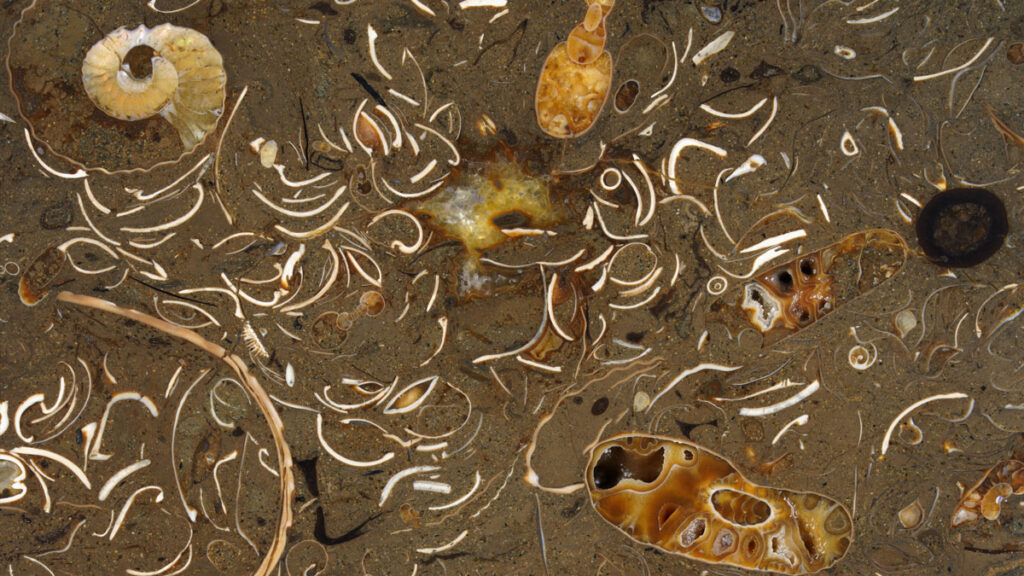
Shin Ikegami of Hokkaido University and his team examined a sediment sample from the Western Interior Seaway, an ancient ocean that split North America, using a method called digital fossil mining.
They carefully ground down the rock and photographed it to create a digital reconstruction, allowing them to identify four potential squid beaks measuring about one centimeter each. Previously, scientists only found Cretaceous squid remains in the northwestern Pacific Ocean. This new discovery demonstrates that squid inhabited oceans on opposite sides of the globe, challenging the idea that they spread worldwide only after the asteroid impact that wiped out the dinosaurs.
The researchers believe the beaks represent two previously unknown species of squid. Ikegami’s team determined the fossils were roughly 67 million years old, meaning the squid lived approximately one million years before the Chicxulub event. This suggests that the diversification of squid and the restructuring of marine ecosystems began before the asteroid impact, rather than as a direct result of it. Further fossil discoveries from intermediate locations will be needed to understand how quickly squid populated different oceans.