Ancient scrolls read with artificial intelligence and lead
Summary and headline written by AI from the source article. How we work
Researchers at the University of California, Berkeley, and the National Institute of Standards and Technology in Maryland used X-rays and artificial intelligence to make progress in reading 2,000-year-old scrolls damaged in the eruption of Mount Vesuvius.
The scrolls, preserved as carbonized blocks, cannot be physically unrolled, so scientists developed a virtual method to read their contents. They discovered that lead in the ancient ink makes the text significantly easier for AI algorithms to detect during X-ray scanning.
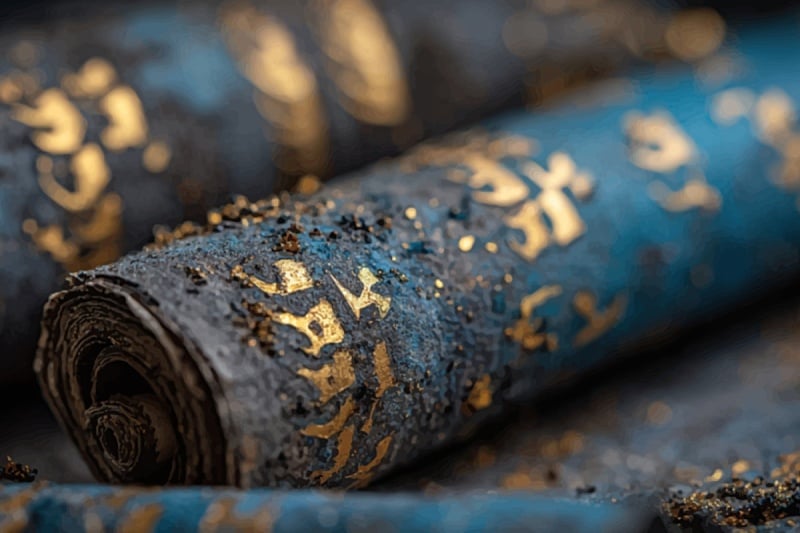
To test this, the team created replicas of the scrolls using Egyptian papyrus and ink with varying lead concentrations, then carbonized them to mimic the effects of the eruption. Scanning these replicas confirmed that lead-containing ink stood out dramatically, allowing the AI to recognize letters more effectively. This finding now allows experts at the National Library of Naples to quickly identify scrolls with lead in the ink, prioritizing them for virtual unrolling.
The Vesuvius Challenge, launched in 2023, has already deciphered one complete scroll and parts of others through a global competition offering prizes for successful readings. More than 600 damaged scrolls remain in the Naples library, awaiting analysis. Computer scientist Brent Seales believes lead was likely a random component of the ink, not an intentional addition, but still aids the reading process.