Singaporean researcher discovers Hanoi jazz scene
Summary and headline written by AI from the source article. How we work
Stan BH Tan-Tangbau, a researcher from Singapore specializing in Vietnamese studies and anthropology, initially believed Vietnam lacked a jazz scene when he first visited in the 1990s.
He only encountered orchestral music, pop, cải lương (a Vietnamese genre of traditional opera), and karaoke in Ho Chi Minh City. His perspective shifted after moving to Hanoi around 2000 and meeting the artist Quyền Văn Minh, who introduced him to the city’s jazz community.
Tan-Tangbau found establishing and maintaining jazz music from the 1950s through Vietnam’s Đổi mới (renovation) period and the 1990s challenging given the changing social contexts. He now considers Hanoi’s jazz scene a noteworthy phenomenon that reflects Vietnamese cultural and historical transformation. He believes jazz embodies interaction between musicians, personal experiences, and diverse musical traditions.
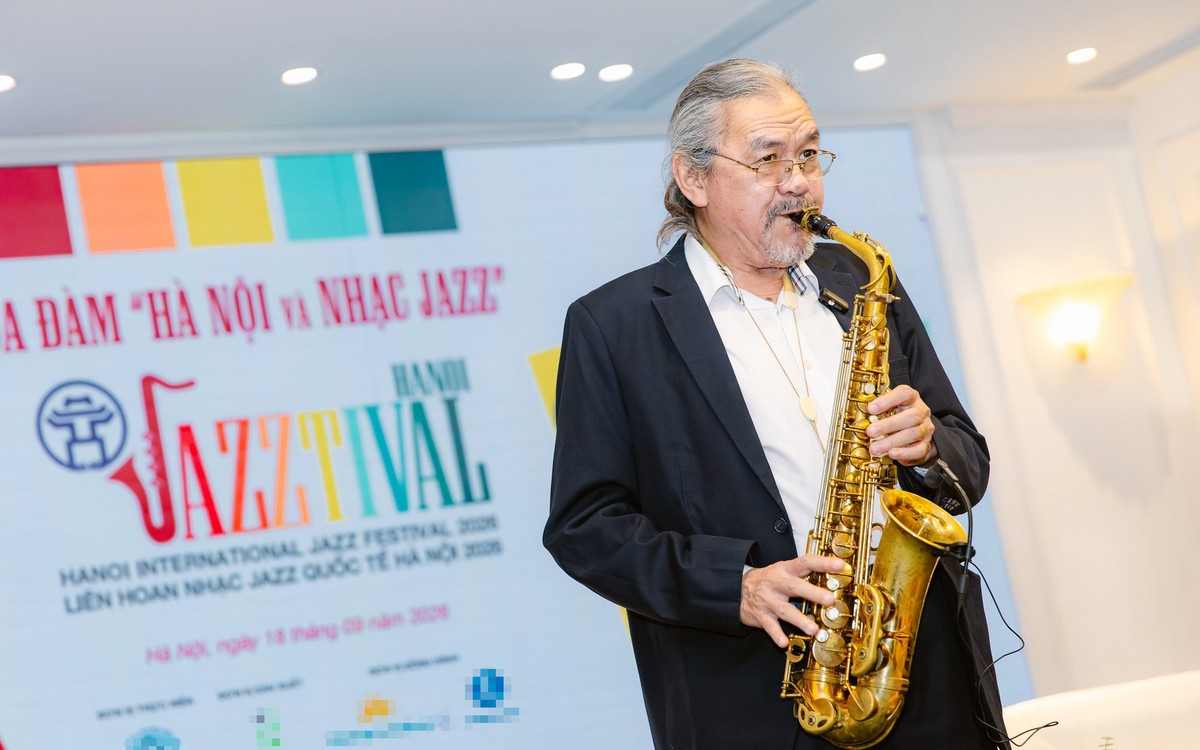
During a discussion at the Hanoi Jazztival 2026, artists also noted that Vietnamese jazz musicians tend to be passive, awaiting audiences instead of actively seeking them out. Musician Dương Cầm suggested they could learn from the success of Vietnam’s indie music scene, which has actively promoted itself and achieved international recognition. David Carlos, an American jazz artist teaching in Vietnam, emphasized that Vietnamese jazz should draw on the country’s own musical traditions rather than solely imitating American jazz.