Ancient Roman coin collection found in France
Summary and headline written by AI from the source article. How we work
Archaeologists in Senon, France, uncovered three vessels filled with thousands of Roman coins beneath the floor of an ancient home.
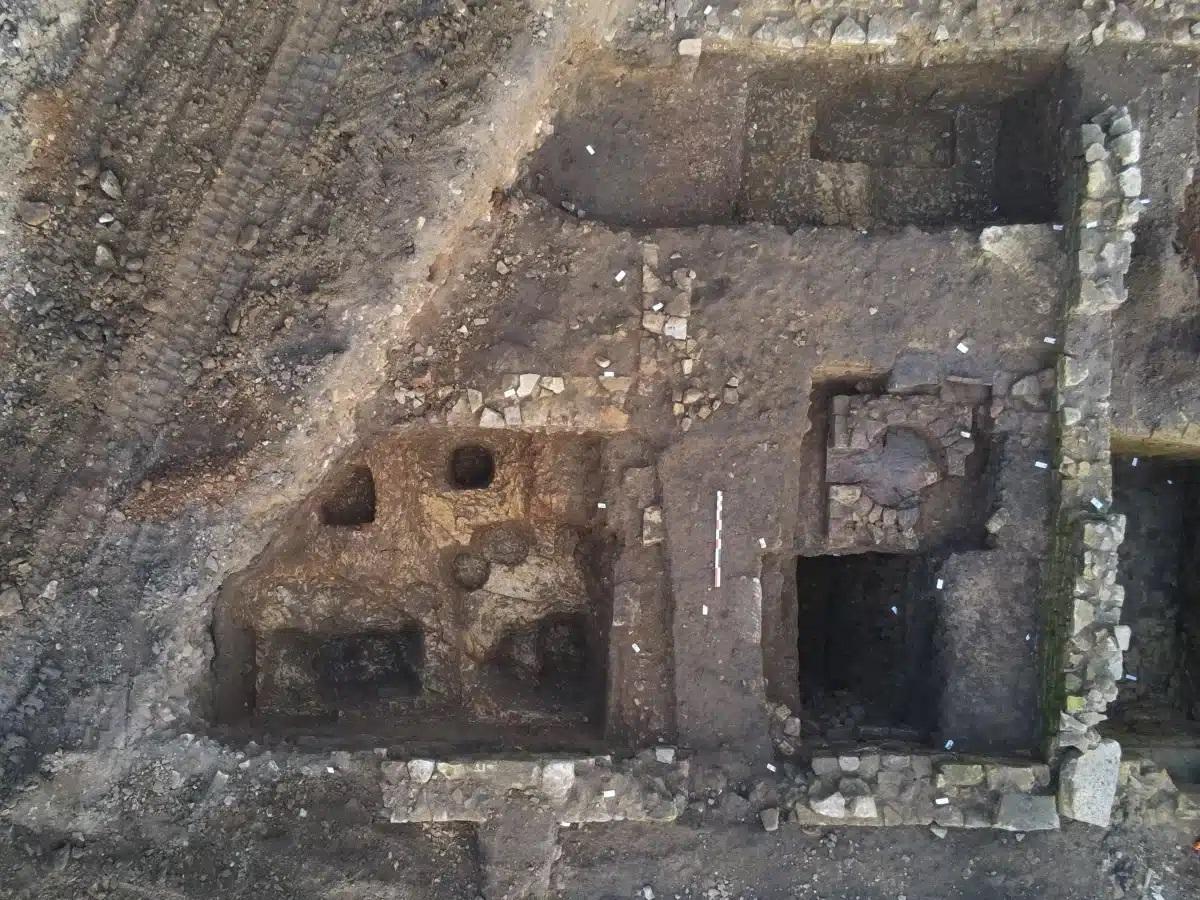
The National Institute of Preventive Archaeological Research discovered the amphora-shaped containers during excavations near a village known for its expensive jam. Researchers estimate the vessels held over 40,000 coins, potentially serving as a long-term savings system rather than a hidden hoard for immediate danger.
The coins weighed as much as 50 kilograms per vessel and date back approximately 1800 years, to a period between 280 and 310 AD, after the fall of the Gallic Empire. Numismatist Vincent Geneviève studied the coins and identified examples bearing the portraits of rulers associated with the Gallic Empire, offering insight into the currency used during a time of political change.
Archaeologists noted the unusual placement of the vessels, which were set into the floor and likely remained accessible to the homeowner. Evidence suggests people continued to add coins to the containers even after they were placed in the ground. While the site was eventually destroyed by fire and abandoned, the discovery provides a rare glimpse into everyday Roman life and how people managed their savings.