Mars clay reveals organic molecules similar to those on Earth
Summary and headline written by AI from the source article. How we work
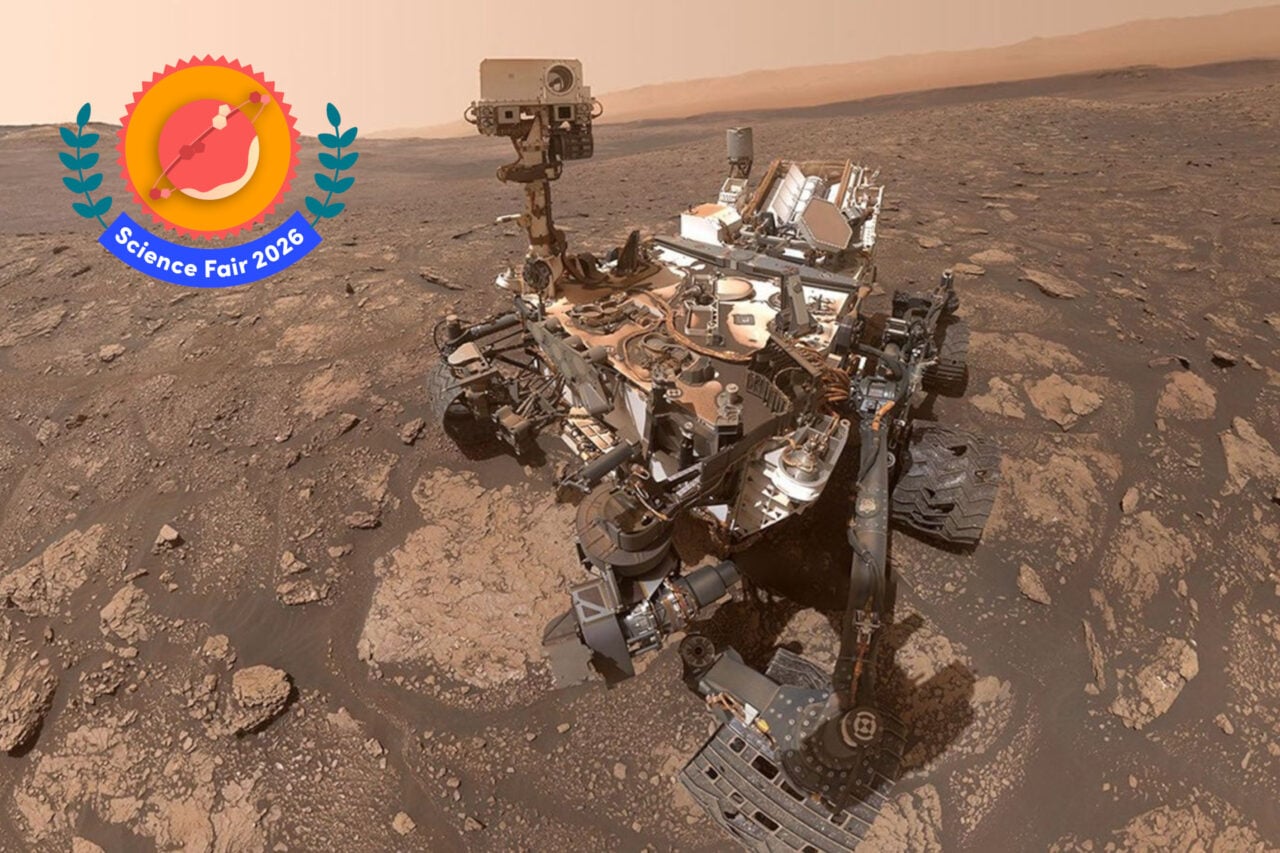
A team of scientists led by Amy Williams at the University of Florida discovered seven organic molecules within clay deposits sampled by NASA’s Curiosity rover in Gale Crater on Mars.
The rover’s Sample Analysis at Mars (SAM) instrument identified compounds like trimethylbenzene and benzothiophene, the latter of which is also found in the Murchison meteorite, a space rock thought to have delivered building blocks for life to early Earth.
Researchers intentionally shifted focus from directly searching for life on Mars to determining if the planet once held the basic molecular compounds needed to support carbon-based life. The team found these molecules preserved in clay beneath the Martian surface, suggesting that even with limited atmospheric protection, organic compounds could survive for billions of years. The discovery also indicates these molecules likely originated from larger, more complex organic matter, possibly delivered by meteorites.
This finding doesn’t prove life existed on Mars, but it does demonstrate that the planet once possessed the necessary ingredients and a capacity to preserve them. The team overcame significant technical challenges, including a broken drill and pandemic-related remote work, to collect and analyze the samples. They are now developing a next-generation instrument, the Mars Organic Molecule Analyzer, for the European Space Agency’s Rosalind Franklin rover launching in 2028.