Cave in Gran Canaria served as both granary and burial site
Summary and headline written by AI from the source article. How we work
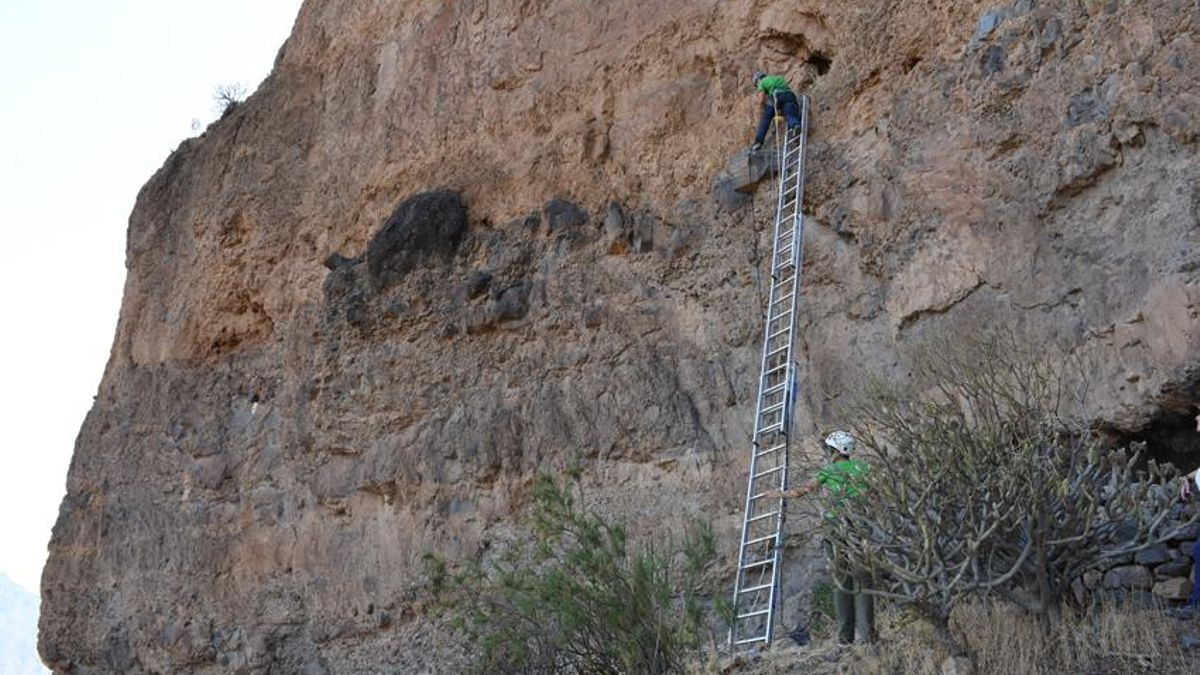
Researchers studying over 8,000 insect remains in Cruz de la Esquina cave, on Gran Canaria island in Spain, determined the cave changed uses over time.
Initially, the cave served as a storage space for grains, as evidenced by the abundance of weevils and other cereal-related insects found among the archaeological remains.
Scientists from the University of Alcalá in Spain, Université de Bordeaux in France, the Muséum national d'histoire naturelle de France, and the University of Las Palmas de Gran Canaria collaborated on the research published in Antiquity. The team found the concentration of these grain-related insects was too high to be explained by simple offerings with burials, indicating significant quantities of grain were once stored there. Later, between the seventh and ninth centuries AD, the cave became a burial site.
The insects also provided insights into the treatment of the bodies, showing people placed the corpses inside the cave shortly after death. This discovery challenges previous assumptions about ancient funerary practices and suggests that some structures previously identified as simple burial caves may have initially been used for food storage.
The well-preserved state of the site allowed researchers to find not only insect and human remains, but also organic materials like wood and fibers, offering a detailed look at past activities.