Ancient Phoenician city discovered in Málaga, Spain
Summary and headline written by AI from the source article. How we work
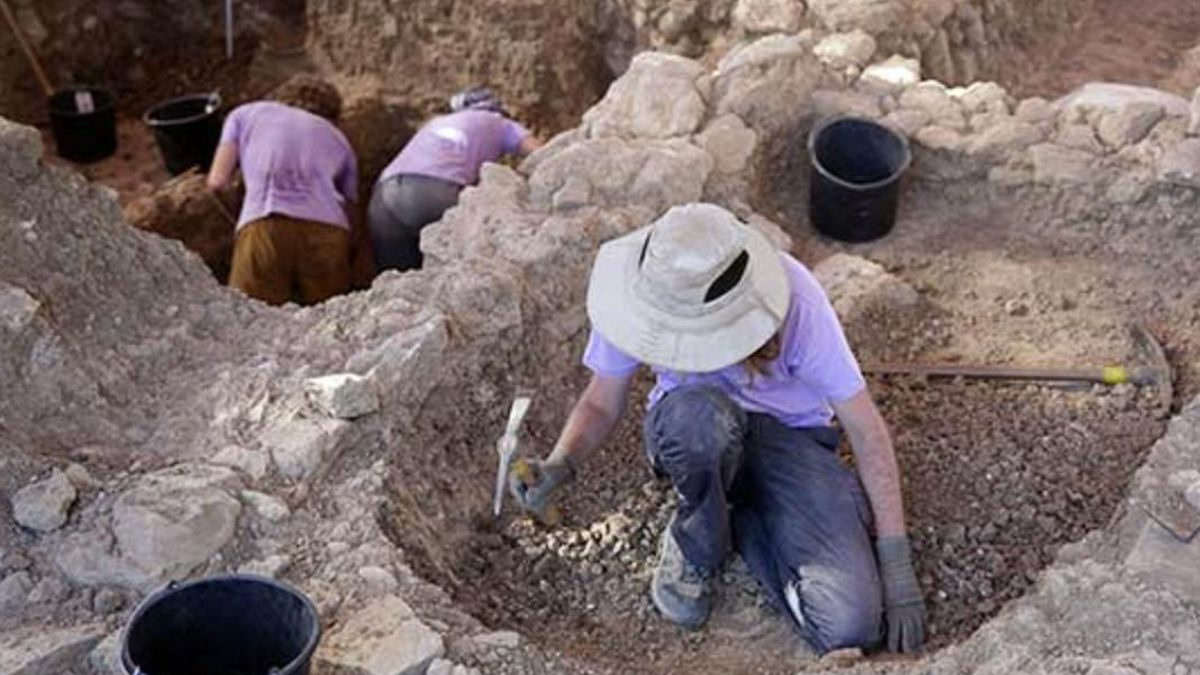
Archaeologists from the University of Málaga have uncovered a nearly intact Phoenician city dating back 3,000 years in Málaga, Spain, having excavated less than 10% of the 60,000-square-meter site.
The city, located on Cerro del Villar near the Guadalhorce River, flourished as a trading hub within broader Mediterranean networks. Excavations revealed Greek amphorae from workshops like Corinth, lead and bronze weights, ivory, and minerals, demonstrating the port’s capacity to handle valuable goods like wine and oil.
Researchers have identified lead originating from Gádor in Almería, and some connect the site with the ancient Mainake. The University of Málaga began systematic excavations in 2022, resuming work paused nearly two decades prior, and has found evidence of at least three architectural phases spanning from the late 8th to 7th century BCE. The team discovered streets, buildings, kitchens, and storage areas, along with signs of a fire in a warehouse containing six Phoenician amphorae and seeds.
Evidence suggests the settlement continued to function as a craft center connected to the city, extending its occupation from the 8th to 5th century BCE. Future work will depend on securing funding for a new four-year research project to explore public buildings, residential areas, and relationships between different parts of the city.