Aldabra giant tortoises restore ecological functions on Seychelles island
Headline and summary by local AI
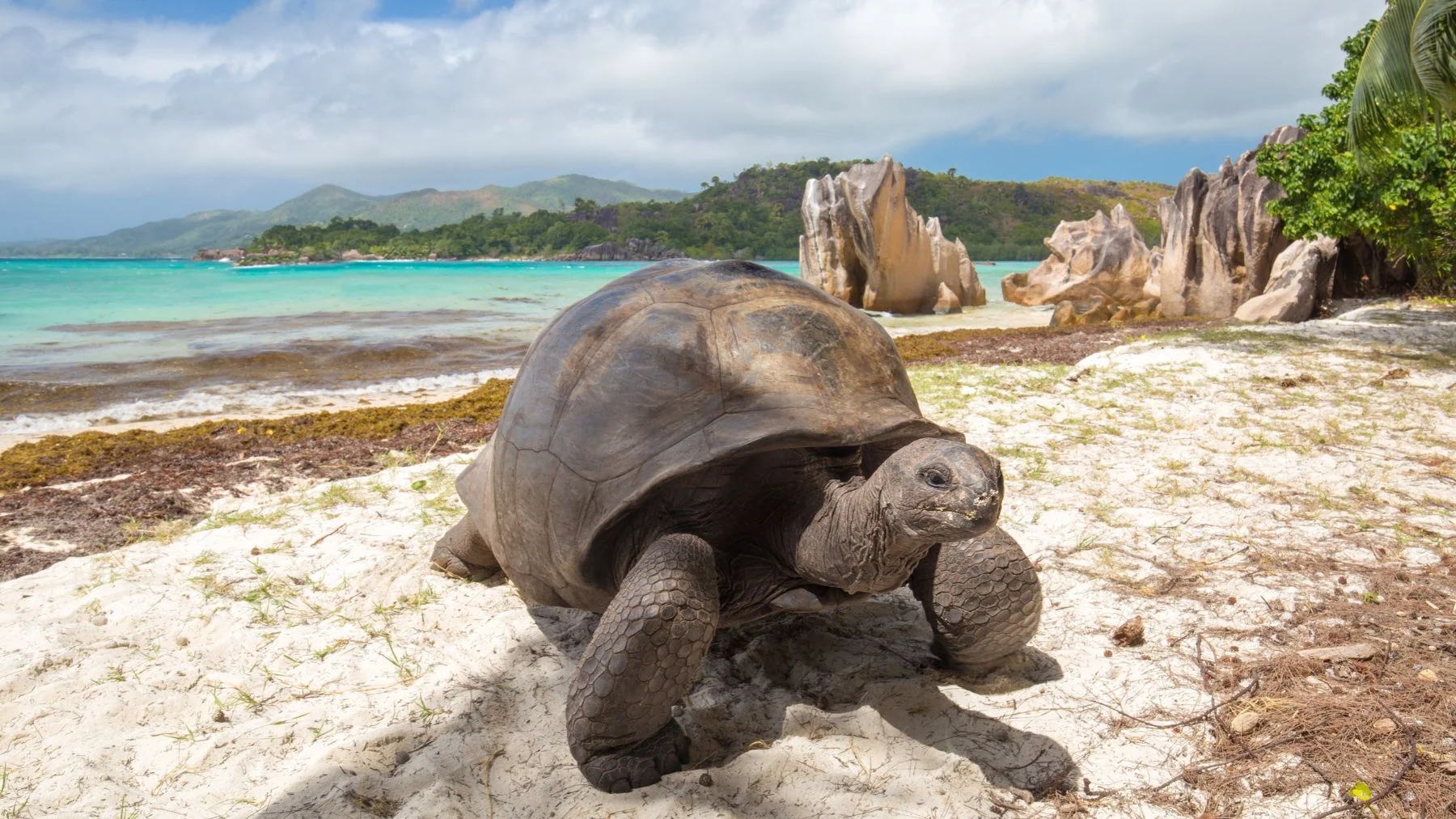
Researchers from the Consejo Superior de Investigaciones Científicas in Spain and the University of Exeter evaluated the impact of reintroducing ten Aldabra giant tortoises to Aride Island in the Seychelles archipelago.
The turtles had been absent from the local area for approximately 180 years, leading to the degradation of natural processes such as seed dispersal, grazing, and nutrient recycling. The study, published in Restoration Ecology, found that the tortoises began restoring these ecological functions in a short timeframe.
During the first two months, the animals dispersed more than 11,000 seeds across various sectors of the island. Approximately 89.5 percent of these seeds belonged to native plant species, which helps the original flora expand and recover. The tortoises also acted as a defense against invasive species by consuming 54 different types of non-native plants. Additionally, their consumption of fallen leaves and organic matter accelerated decomposition and helped create more fertile soil.
The researchers noted that individual behaviors varied greatly between the animals; just three of the ten tortoises were responsible for more than 80 percent of the native seed dispersal. These findings suggest that conservation programs should consider individual animal behaviors and specific ecological roles rather than focusing only on genetic diversity or population size. The research team is now looking into applying this approach to other locations, such as the Galápagos archipelago.
Selected and summarized by local AI How we work
Recovery: Ecosystems recovering, species returning, nature thriving or newly found, and protection already in force.
More in Recovery
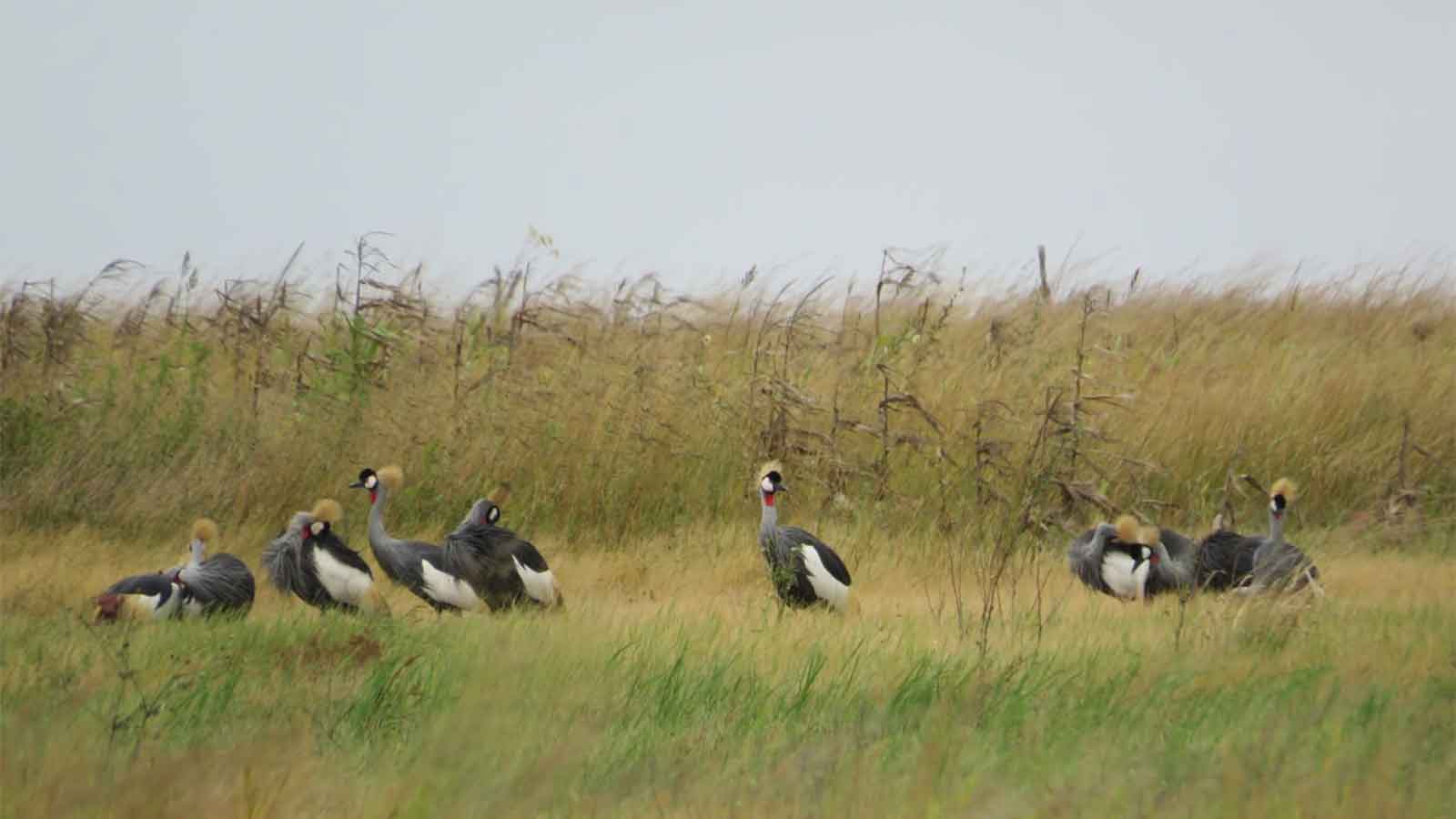
BirdLife Zimbabwe survey confirms breeding of threatened Cranes in Driefontein
heraldonline.co.zw · 20 Nov 2026

Scottish cattle help restore nature in the English Lake District
bbc.co.uk · 18 Nov 2026
Scientists use genetic diversity to restore American elms after disease blight
smithsonianmag.com · 20 Nov 2026