Amazon communities build education system, seek state support
Summary and headline written by AI from the source article. How we work
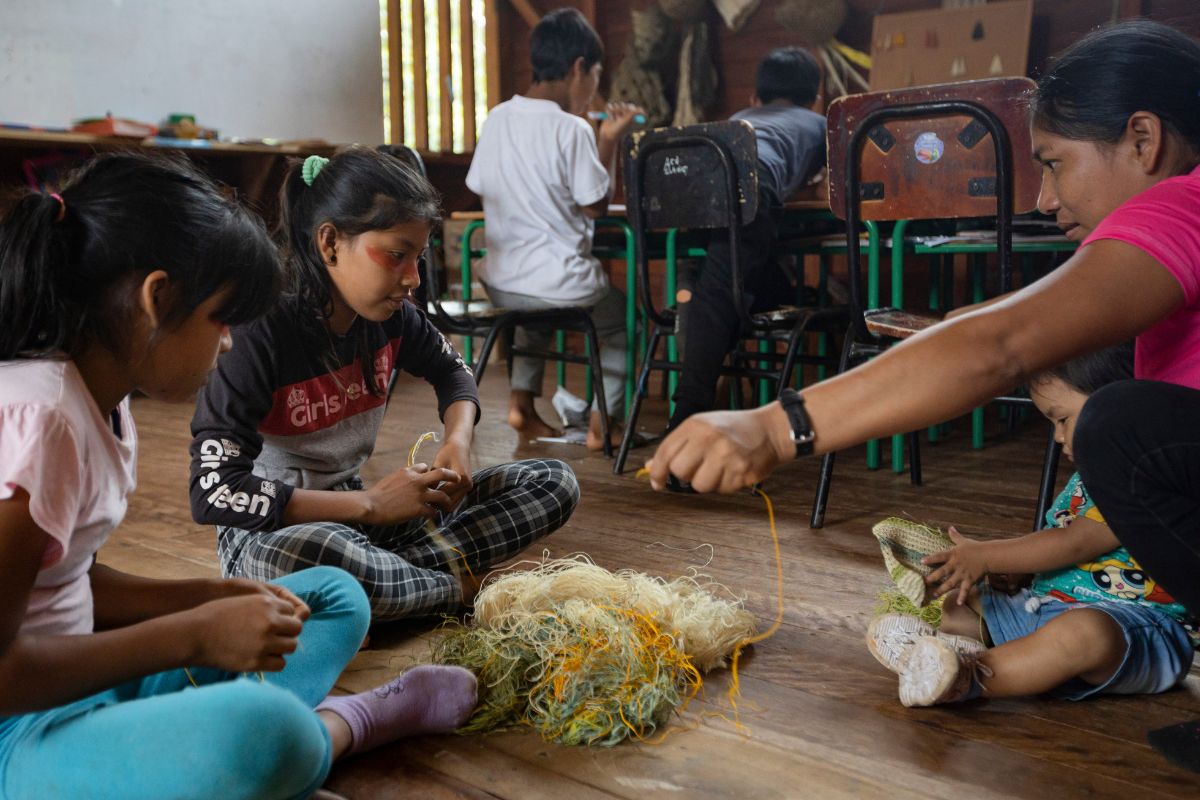
Three Indigenous nationalities in the Amazon region of Ecuador, the Waorani, Siekopaai, and A’i Cofán, developed and officially recognized their own educational model.
These communities, located in the provinces of Sucumbíos, Pastaza, Napo, and Orellana, designed a curriculum that combines traditional knowledge passed down through elders with standard subjects like math and reading. They undertook this initiative independently but now require support from the Ecuadorian government to fully implement it and meet the needs of their children.
The communities built the educational framework through community effort, including technical documentation, teacher training, and the recording of ancestral knowledge. However, many schools in these regions lack basic infrastructure such as clean water, sanitation, and proper maintenance, hindering the learning environment. Existing bilingual intercultural education programs have struggled with full implementation in areas like Pastaza, Sucumbíos, and Orellana.
Registering the new curricula with the Secretariat of Intercultural Bilingual Education and Ethnoeducation provides a legal basis for support, but the communities emphasize the need for funding, school maintenance, adequate sanitation, and more teachers from the Indigenous nationalities themselves. The communities have fulfilled their responsibility by creating this educational system from the ground up, and now look to the state to provide the resources needed to sustain it and ensure dignified learning conditions for all children.