Toadstools and toxins: risks in the Amanita market
Summary and headline written by AI from the source article. How we work
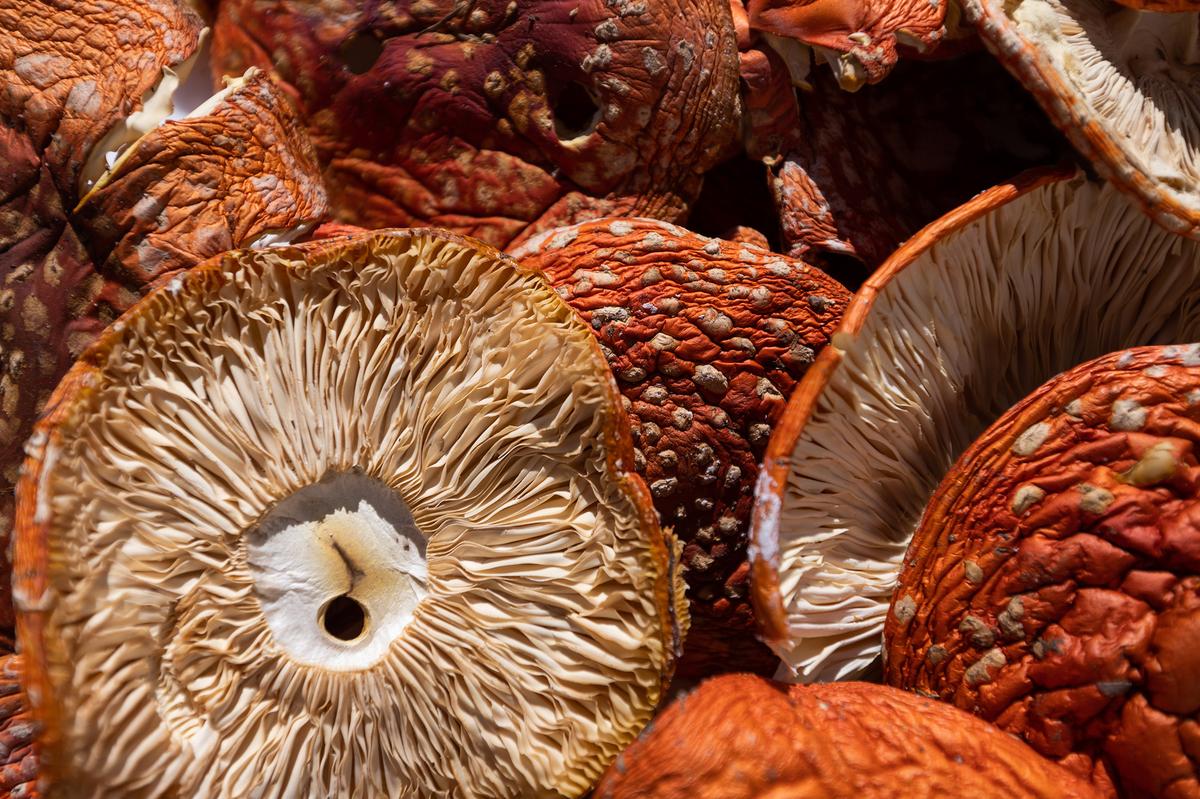
In late 2023, a public-health scientist began investigating “magic mushroom” gummies containing Amanita muscaria, a toadstool with a long history in folklore, after finding them for sale in a smoke shop. The scientist discovered that Amanita muscaria’s primary psychoactive compound, muscimol, affects the brain differently than psilocybin, acting as a depressant rather than stimulating serotonin receptors. Research revealed muscimol was more toxic to mice than many other psychotropic drugs, including fentanyl.
The investigation uncovered a lack of modern dosing studies for muscimol, leading the scientist to a 1967 self-experiment conducted by Swiss pharmacologist Peter G Waser, which established a range of effects at different dosages. Product labels from current gummies appeared to be based on Waser’s decades-old research, raising concerns about unregulated dosing standards.
Further investigation revealed products containing not only muscimol but also other psychoactive substances like psilacetin, pregabalin, and kava, and a case where a man died after consuming a “Diamond Shruumz” mushroom bar. The scientist argues that consumers have a right to know what they are ingesting and that companies should provide evidence of product safety, especially when selling psychoactive substances that resemble candy.