Hidden chambers may hold queen Nefertiti’s tomb near Tutankhamun’s
Summary and headline written by AI from the source article. How we work
Archaeologists in Egypt are investigating the possibility that the tomb of Tutankhamun conceals additional chambers containing the remains of Queen Nefertiti.
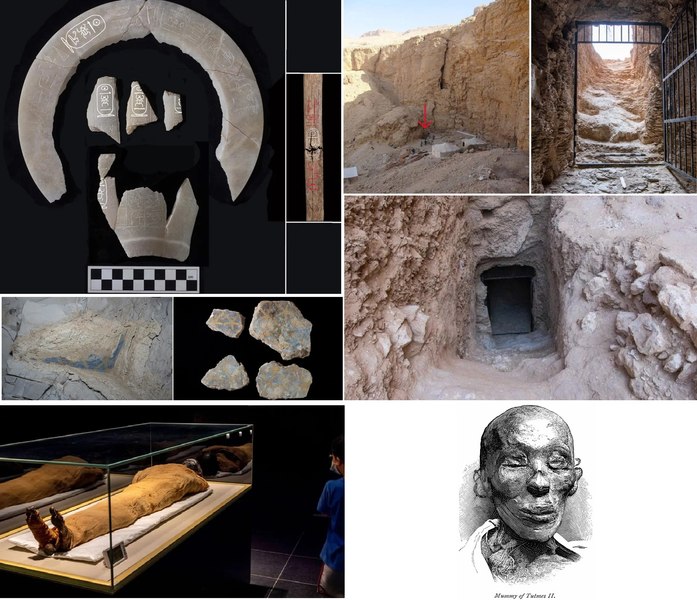
In 1922, the discovery of Tutankhamun’s tomb revealed a structure that researchers now believe may have originally been built for another ruler. A team led by Nicholas Reeves suggests that builders added false walls to the tomb, potentially hiding Nefertiti’s burial chamber behind them.
Nefertiti ruled Egypt before Tutankhamun and some scholars believe she may have even held the full title of pharaoh under the name Smenkhkare. Her body has never been found. Reeves first proposed this theory in 2015, noting the tomb’s unusually small size and its architectural style, which aligns with tombs built for queens of the 18th Dynasty. He believes the front of the tomb was later modified for Tutankhamun after his early death, concealing the original chamber.
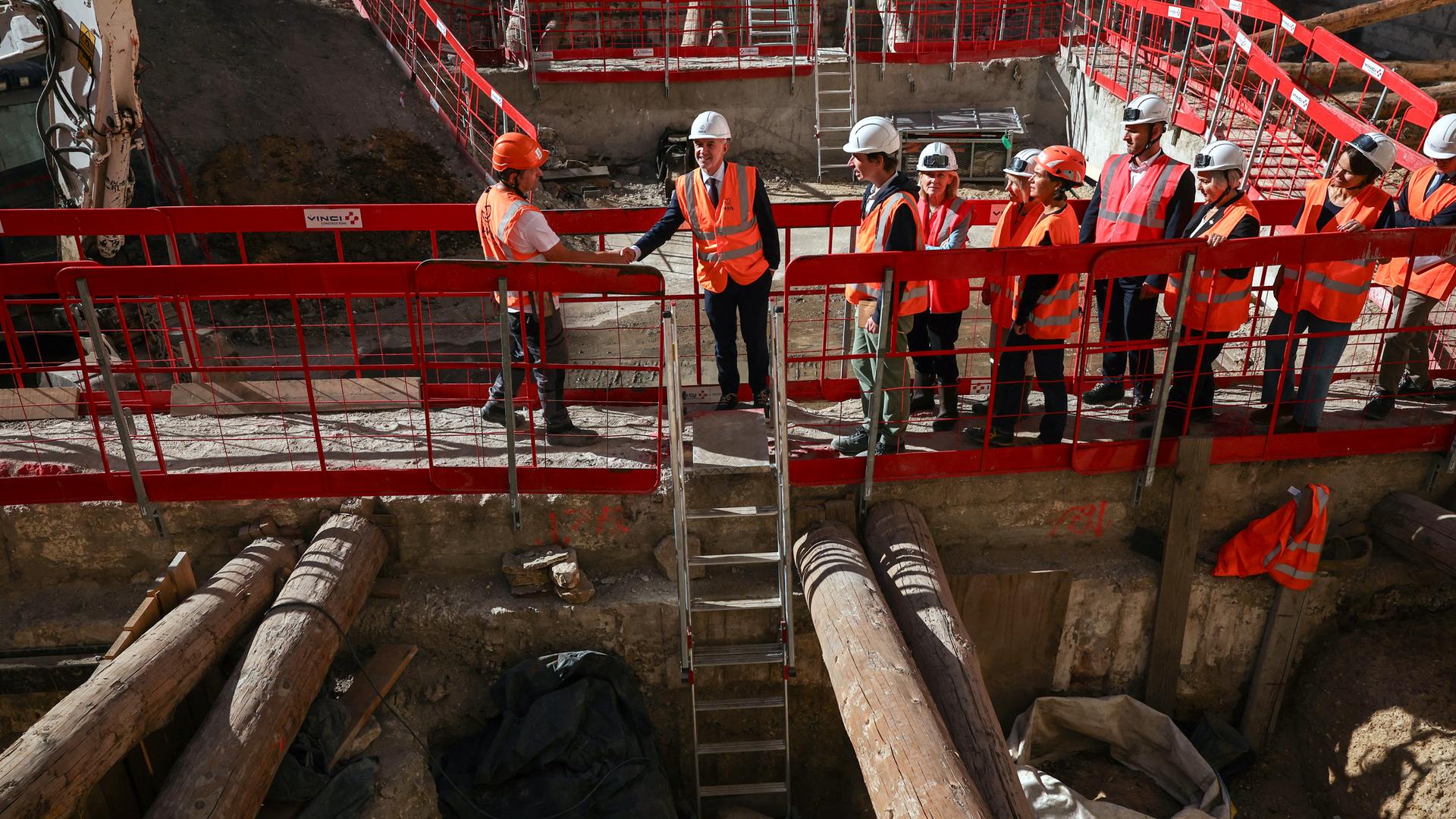
Researchers have since used ground-penetrating radar, thermal imaging, and other technologies to examine the area around Tutankhamun’s tomb, known as KV 62. Their investigations indicate the likely presence of a complex of chambers extending approximately 25 to 30 meters north of KV 62, potentially containing five or six rooms connected by passages deliberately filled with rubble.
While these findings suggest hidden spaces, archaeologists need permission to physically open a section of the tomb’s walls and confirm their existence and contents later this year.