Neolithic enclosure in Czech Republic aligned with solar and lunar cycles

Headline and summary by local AI
Archaeologists at the Chleby site in the Central Bohemian Region of the Czech Republic discovered a Neolithic monument with complex astronomical alignments.
A team led by Petr Krištuf from the University of West Bohemia investigated a nearly circular enclosure measuring approximately 230 meters in diameter. The structure features a deep outer ditch and an inner timber palisade, with twelve entrances positioned around its perimeter. Researchers found that the geometry of these entrances correlates with both solar and lunar cycles.
One axis connects two opposite entrances to mark the sunrise during the summer solstice and the sunset during the winter solstice. A second system relates to the 18.6-year lunar nodal cycle, which marks the moon's extreme positions on the horizon. The team believes these orientations were integrated into the architecture of a sacred communal monument rather than serving as a modern style observatory. The site also contains evidence of ritual activity, including cattle skull fragments and human remains.
Excavations revealed a multiple burial of at least 18 individuals from the Early Bronze Age, suggesting the site remained a place of communal memory for nearly two millennia. By the Iron Age, the monument lost its ritual purpose as people built houses inside the enclosure and used the area as an ordinary settlement.
Selected and summarized by local AI How we work
Discovery: Archaeology, new knowledge of art, culture and history, forgotten history uncovered, something lost restored.
More in Discovery
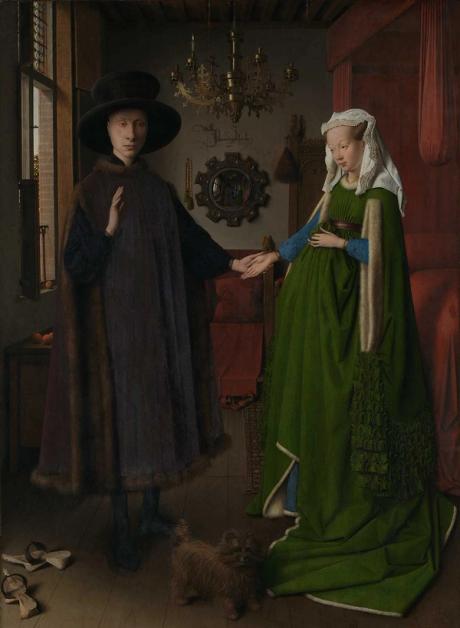
Curator suggests artist Jan van Eyck painted himself in famous Portrait
theartnewspaper.com · 16 Nov 2026

Antarctic tardigrade study reveals sexual dimorphism and predatory diet
bioengineer.org · 23 Nov 2026

German language newspaper Bosnische Post shaped Sarajevo life for decades
n1info.ba · 24 Nov 2026