Archaeologists unearth wall from 19th century Scottish land dispute
Summary and headline written by AI from the source article. How we work
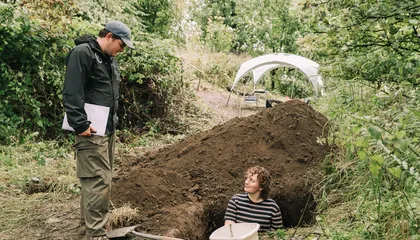
Archaeologists in Scotland recently excavated the foundations of Harvie’s Dyke, a pair of stone walls built in the 1820s by landowner Thomas Harvie.
Harvie constructed the walls on his estate near Glasgow to block a public pathway along the River Clyde, sparking outrage among local residents. People from Glasgow responded with riots, destroying the walls with explosives before Harvie rebuilt them with defenses like iron spikes and small cannons.
The conflict escalated into a legal battle that reached the House of Lords, which ultimately ruled in favor of the public’s right to access the path in 1828. Harvie was then required to install gates in his walls. During the recent “Digging the Dyke” excavation, researchers also uncovered a 1791 token bearing the slogan “Let Glasgow Flourish,” which was used by protesters opposing the walls.
The dispute financially ruined Harvie, as Glaswegians boycotted his whiskey and he spent heavily on legal fees. The victory for the people of Glasgow inspired celebratory art and helped establish a tradition of protecting public access to land in Scotland, eventually leading to the country’s broad “right to roam” law.