Snail shells record past cyclones and rainfall
Summary and headline written by AI from the source article. How we work
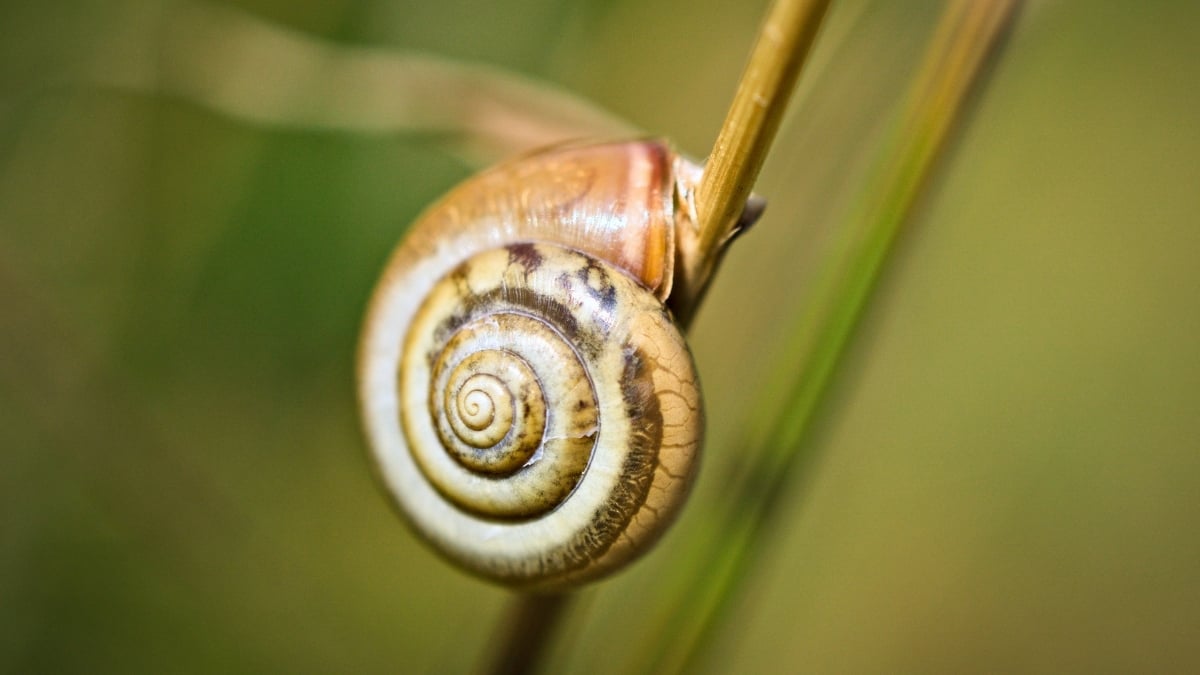
Researchers at the University of Queensland in Australia discovered that land snail shells preserve a record of extreme weather events.
Snails grow their shells by adding calcium carbonate at the opening, creating layers that reflect environmental conditions. By analyzing the growth bands in the shell of a Biggenden Banded Snail, a team led by Nicholas Patton identified elevated radiocarbon levels from nuclear tests in the 1960s, confirming the snail lived for about 4.5 years.
The team found that snail shell growth isn’t constant. They observed periods of rapid growth alternating with periods of slow or no growth. They determined that these growth spurts correlated with extreme rainfall events caused by cyclones, specifically Severe Tropical Cyclone Marcia and Tropical Cyclone Debbie in 2015 and 2017, which impacted Coalstoun Lakes National Park in Australia. In one year, a snail’s shell grew 23.7 millimeters, while in another it grew 144.3 millimeters.
Scientists can read carbon and oxygen isotopes within the shell material to understand the climate and environment the snail experienced. Because snail shells persist long after the animal dies, researchers believe they could use these shells to reconstruct the history of past cyclones and other extreme weather. They plan to analyze shells found in different layers of sediment to extend this record even further back in time.
The researchers were surprised to find that these relatively simple creatures could provide a record of prehistoric weather patterns, offering a new avenue for understanding past climates.