Scientists discover 100 million year old fossil flower in museum rock

Headline and summary by local AI
A team of scientists from the United States and United Kingdom identified a prehistoric flower fossil from the mid-Cretaceous period.
The researchers found the specimen, which they named Tomlinsoniella pedicellata, inside a rock sample that had been stored in the Smithsonian National Museum of Natural History in Washington, D.C. for over 130 years. Steven Manchester of the Florida Museum of Natural History discovered the fossil by chance while using micro-CT scanning to examine a different plant species in the rock.
The X-ray technology allowed the team to see a 3D image of a flower preserved as a negative void. The flower formed when clay solidified around the plant and the organic matter later decayed, leaving a perfect cavity. This discovery provided the earliest known record of a classic monocot flower, a group of plants that includes cereals, bananas, and orchids. The fossil flower measured about 1.5 mm in height and 1.2 mm in diameter.
It displayed a structure of three sepals, three petals, and six stamens, which closely resembles the anatomy of modern monocots. Researchers believe the specimen likely belonged to an extinct kind of palm. This find helps scientists understand how flowering plants evolved during the age of dinosaurs and how monocots became such a successful plant lineage.
Selected and summarized by local AI How we work
Discovery: Archaeology, new knowledge of art, culture and history, forgotten history uncovered, something lost restored.
More in Discovery
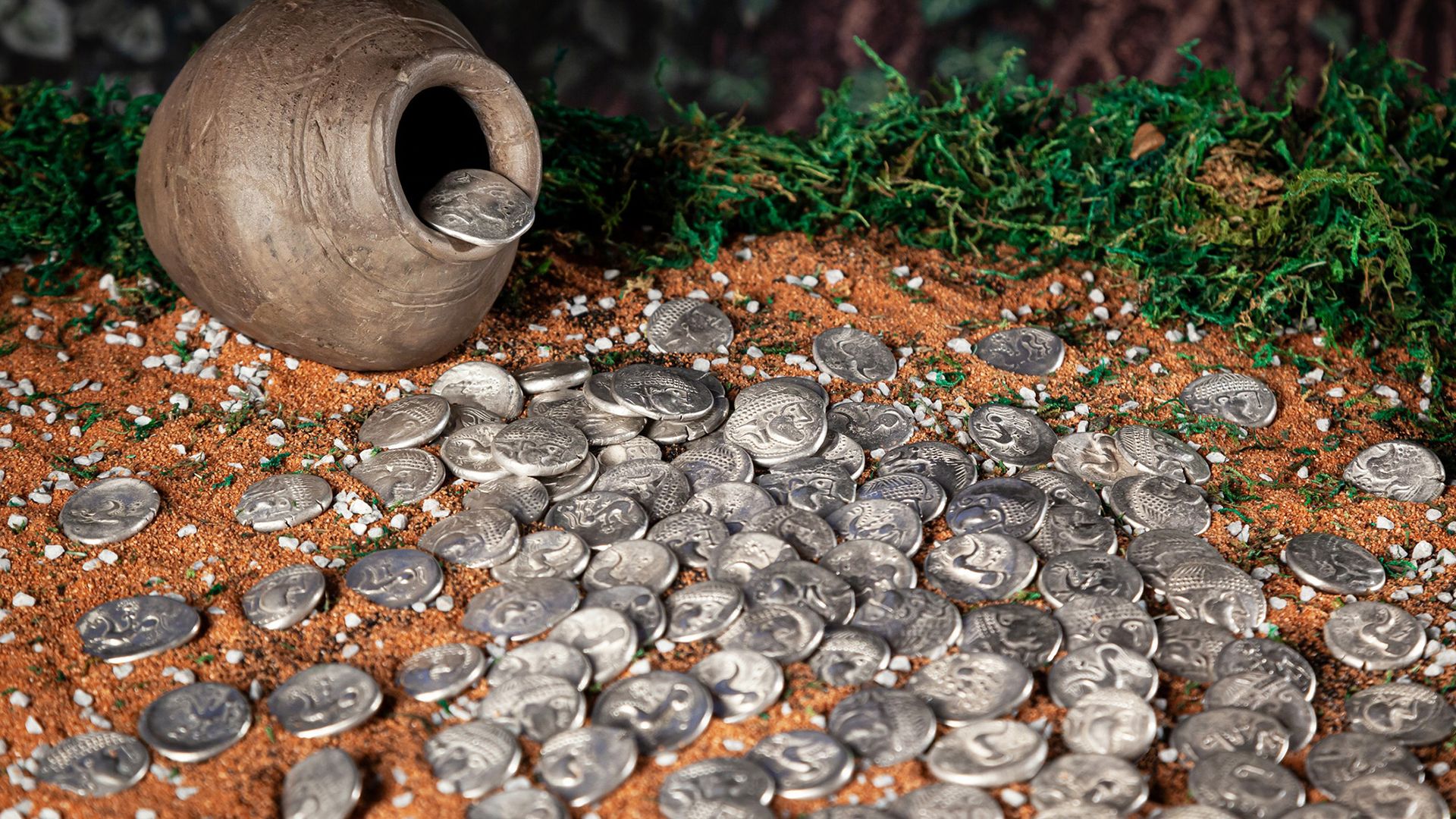
Archaeologists unearth 2,000-year-old Celtic coin hoard in Hungary
livescience.com · 22 Nov 2026

European portrait analysis shows rising waist to hip ratios from 1650 to 1950
smithsonianmag.com · 23 Nov 2026

Jesuit traveler travels across Asia to prove China was not a myth
observador.pt · 19 Nov 2026