Betel nut use may be oldest known drug habit
Summary and headline written by AI from the source article. How we work
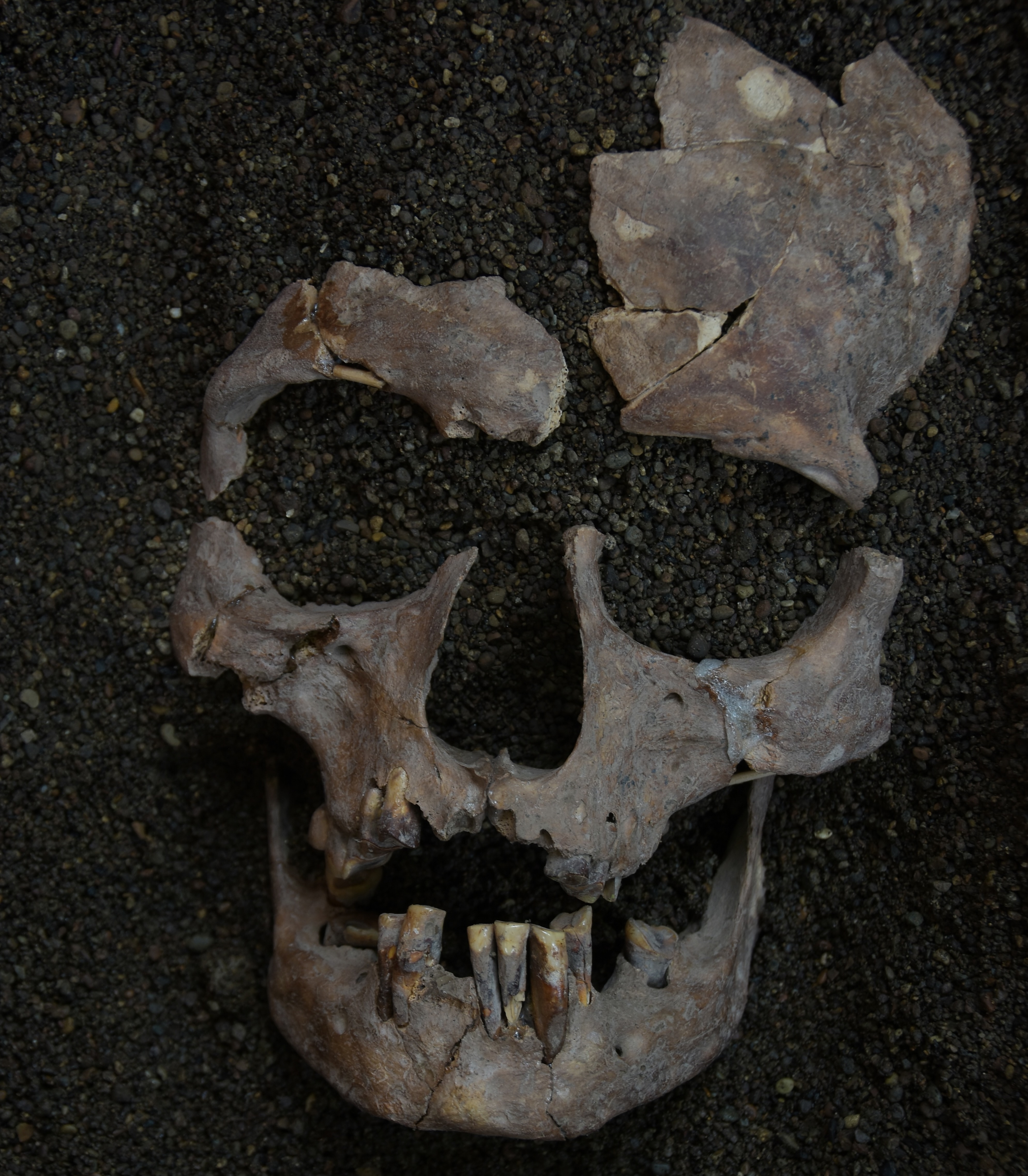
Archaeologists in Australia discovered teeth from two hunter-gatherers, dating to 25,000 and 7,000 years ago, that showed grooves suggesting regular betel nut chewing.
Adam Brumm of Griffith University investigated the damage and found evidence of betel compounds in the teeth. Betel nut, from the Areca catechu palm tree common in Southeast Asia, provides a mild stimulation when chewed.
Researchers tested an extract made from soaking betel nuts in artificial saliva and found it activated human brain cell receptors in lab-grown frog eggs. This suggests the nut alone, without additives like slaked lime used in modern chewing, could have psychoactive effects. The team believes the dental damage and chemical evidence indicate these early humans may have become addicted to betel nut.
They propose that these individuals initially used betel nut recreationally, then continued despite the harm it caused, potentially using the drug to cope with the resulting pain. This suggests managing addiction and its health consequences has been part of the human experience for a very long time, even before alcohol became common.