German man unearths largest Roman coin treasure in nation’s history
Summary and headline written by AI from the source article. How we work
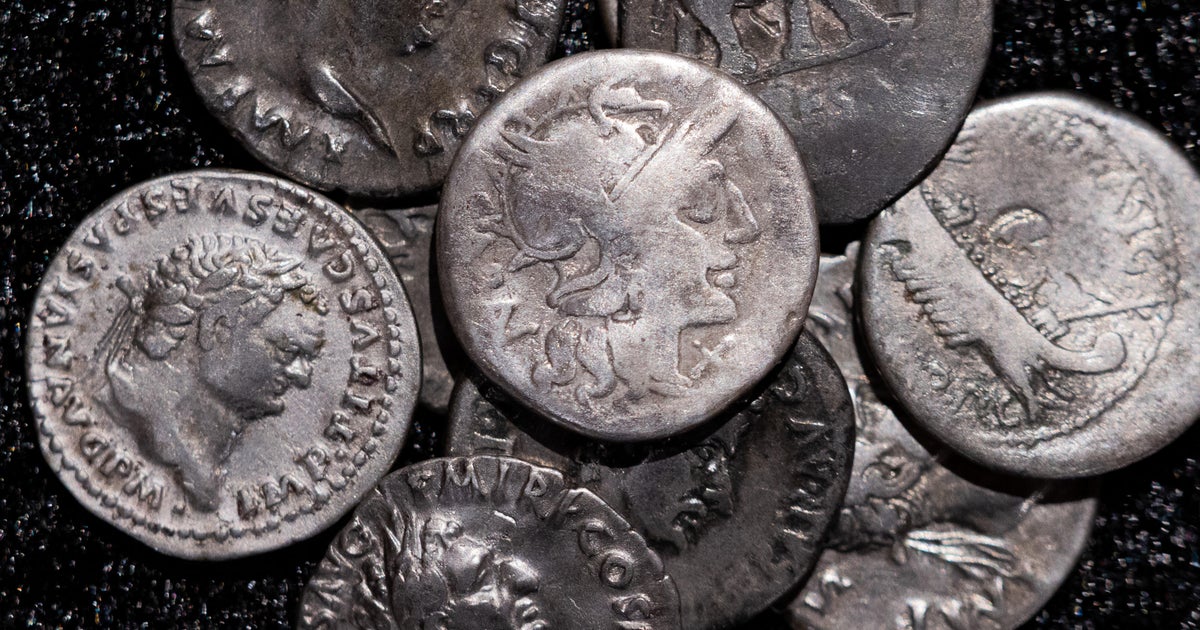
Oliver Riedl, an amateur archaeologist in western Germany, discovered a trove of 934 Roman silver denarii while using a metal detector in a field near Wesseling, south of Cologne.
The continuous beeping of his detector led him to contact authorities, who then excavated the coins. Archaeologists determined the collection represents the largest Roman coin treasure ever found in Germany from the time of Emperor Hadrian.
The coins primarily date from the Flavian emperors (A.D. 69 to 96), with the oldest coin originating from 148 B.C. Experts believe someone deliberately buried the coins around the second quarter of the second century A.D. likely to protect their wealth in the absence of banks. The reason the treasure remained undiscovered for centuries is unknown, though archaeologists speculate the owner may have died before they could retrieve it.
The 3.1 kilogram (6.8 pound) hoard is now on display at the LVR-LandesMuseum Bonn. Researchers note that while Roman-era treasures are occasionally found, the size of this collection is exceptional. Based on the pay of Roman legionaries, they estimate it would have taken a soldier approximately six years to save enough disposable income to amass the entire hoard, but the identity of the original owner remains a mystery.
The Cologne area was once a Roman military outpost established in 39 B.C.