Antarctic blue whale population grows 1,000 percent since hunting ban

Headline and summary by local AI
Zoe Rand and a team of researchers at the University of Washington found that the population of Antarctic blue whales increased by 1,000 percent between 1973 and 2024.
The study, published in Endangered Species Research. Critically Endangered, marks the first population assessment for the species in over 20 years. The team used historical catch data, modern photo identification, and decades of linear transect surveys to estimate the numbers.
These surveys involved ships traveling in straight lines across the Antarctic Ocean to record sightings and distances. The researchers calculated that the population grew from 418 to 4,018 individuals at an estimated annual growth rate of 4.5 percent. Despite this growth, the Antarctic blue whale remains on the International Union for Conservation of Nature (IUCN) Red List as critically endangered.
The researchers noted that the current population represents only 1.9 percent of the number of whales that existed before commercial hunting began. Because these animals only produce one calf every 3 years, the species will need more than a century to return to its original numbers. Rand stated that continuous monitoring is necessary to understand how the whales will respond to environmental and climate changes.
The team currently uses passive acoustic monitoring to listen to whale songs to estimate population density, but they have not yet developed a way to calculate the total number of individuals from those recordings alone.
Selected and summarized by local AI How we work
More in Recovery

Durrell Wildlife Conservation Trust restores Scottish Highlands habitat
bbc.co.uk · 23 Nov 2026
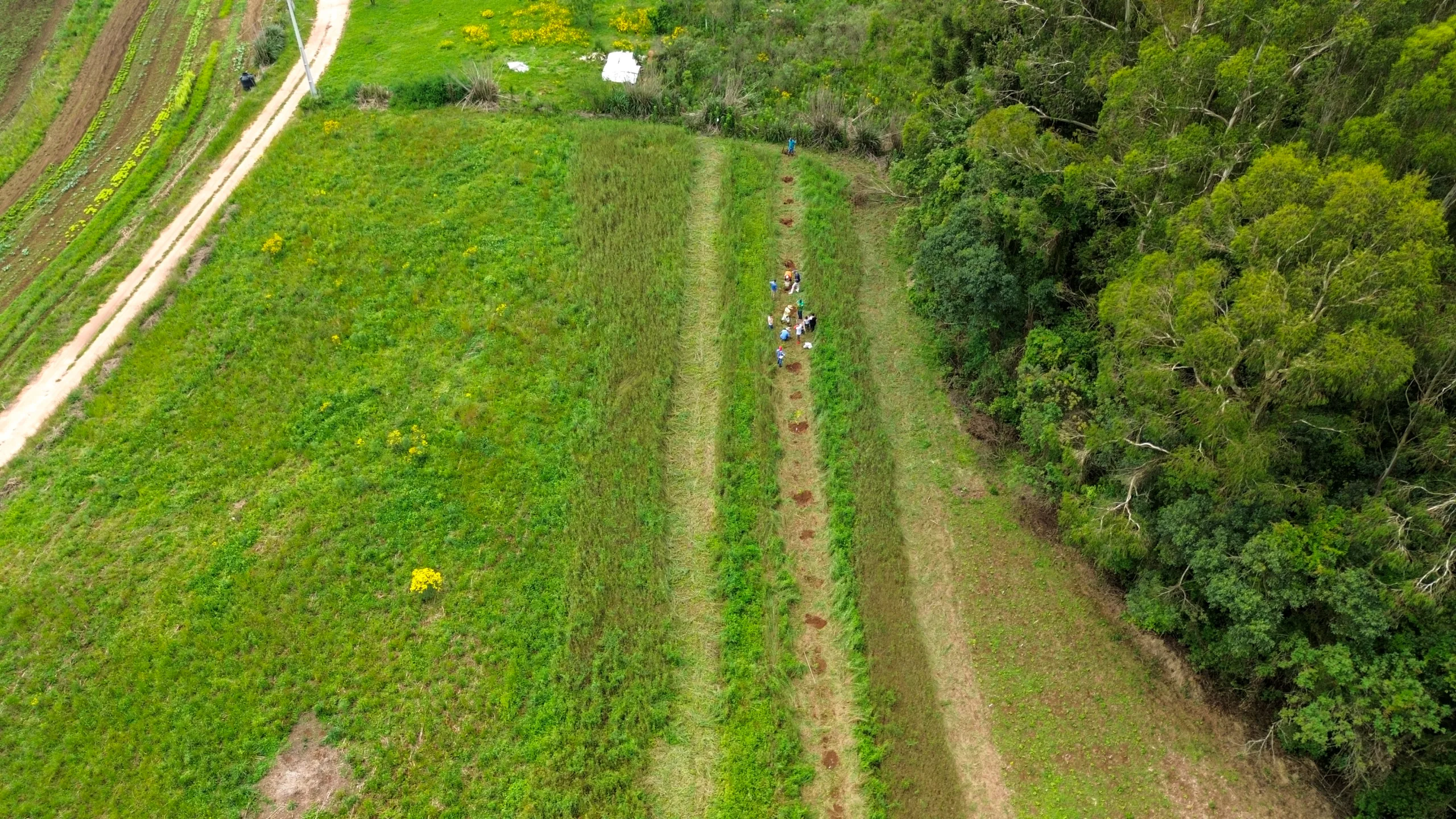
Farmers in Paraná use agroforestry to combat rising deforestation
brasildefato.com.br · 16 Nov 2026
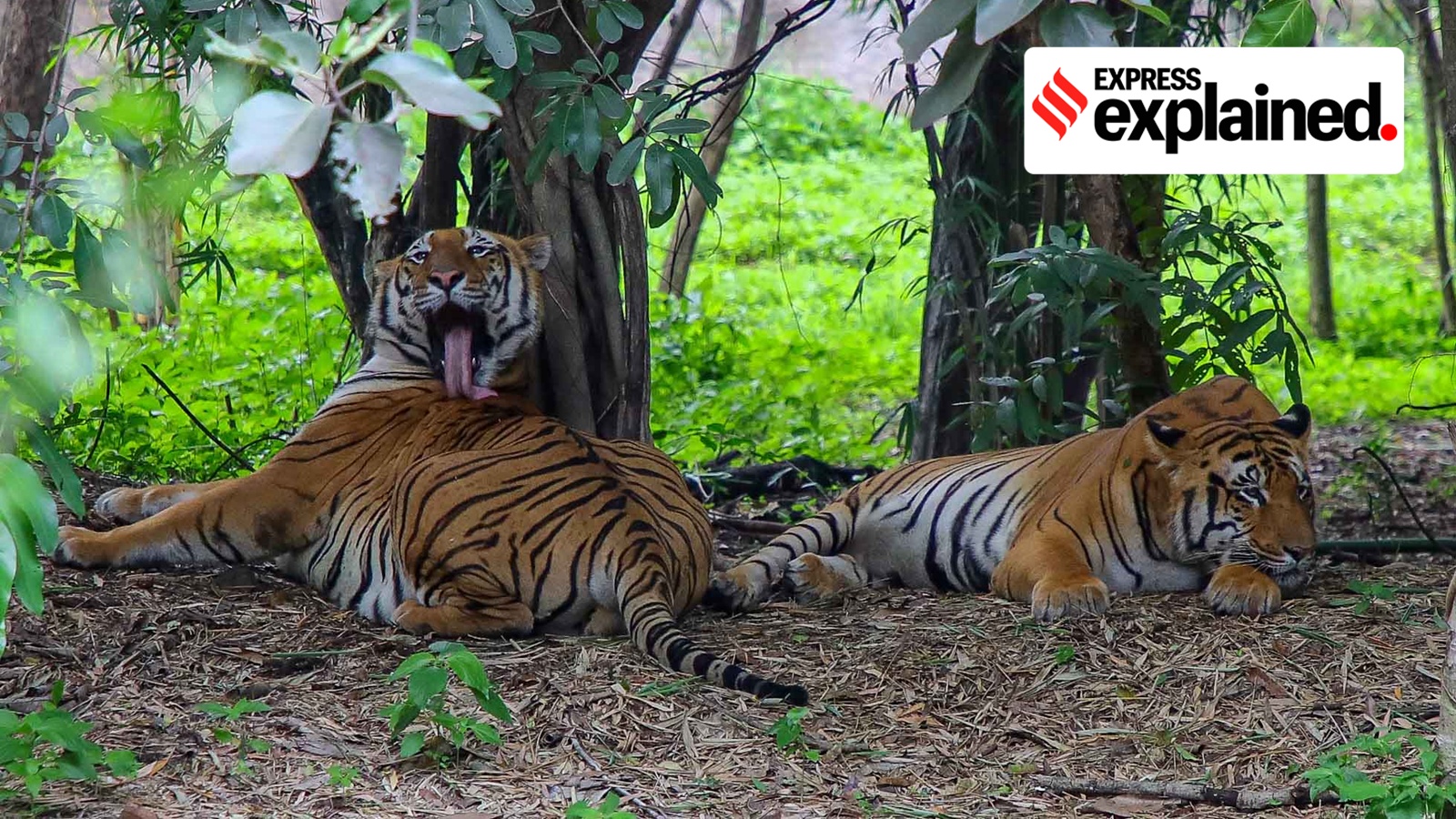
India expands wildlife Protection through community relocation and habitat corridors
indianexpress.com · 23 Nov 2026