India expands wildlife Protection through community relocation and habitat corridors
Headline and summary by local AI
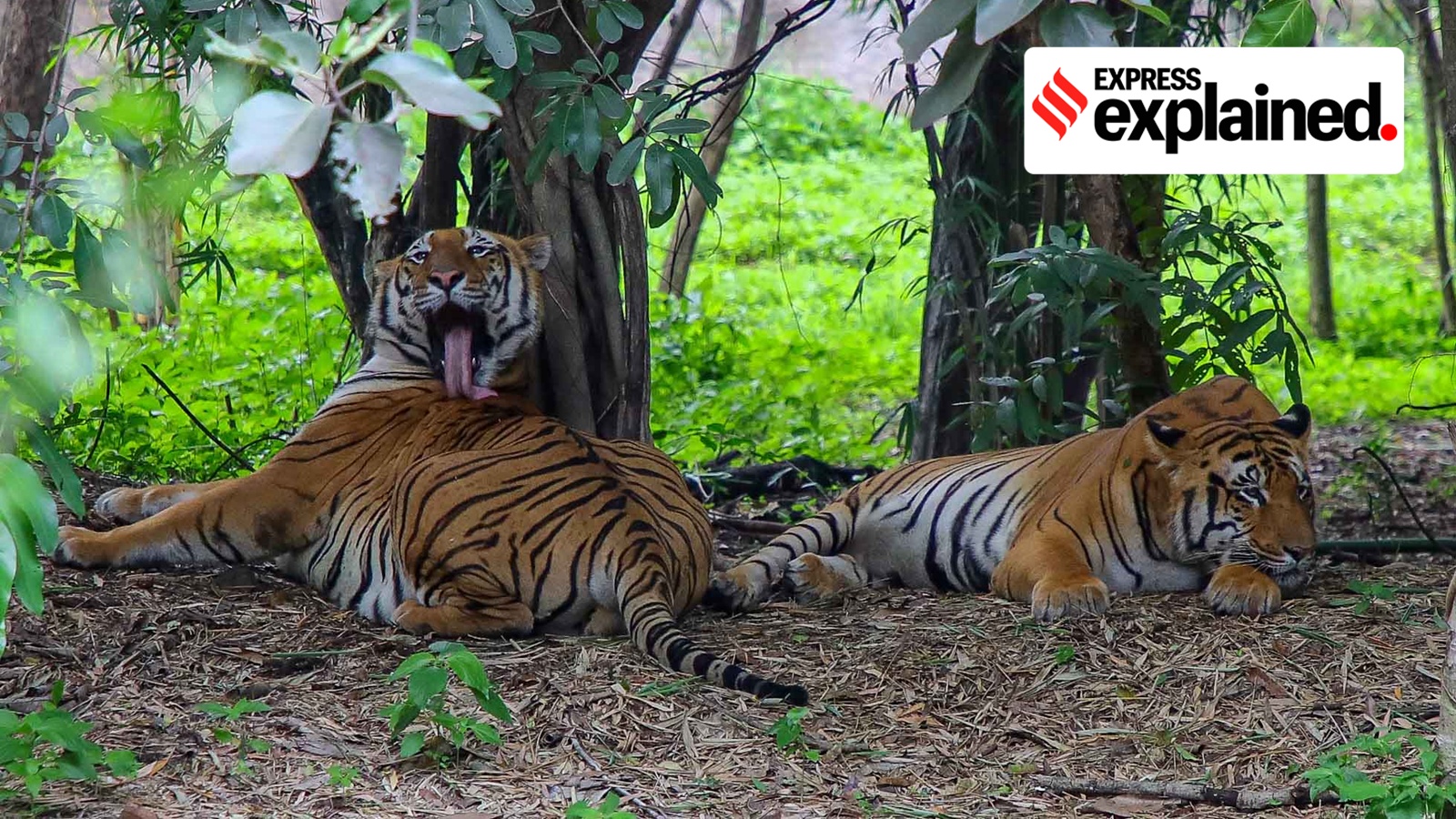
India has successfully grown its wild tiger population to approximately 4,000 and established 58 tiger reserves covering nearly 70,000 km2 of human-free habitat.
The government implemented these measures following a 2005 crisis in Sariska, where a scientific assessment revealed only 1,400 tigers remained despite official reports claiming 3,500. This prompted the creation of the Tiger Task Force, which led to the establishment of the National Tiger Conservation Authority and the Wildlife Crime Control Bureau.
The conservation strategy relies on a model that combines strict environmental laws with socioeconomic incentives for local people. The government offers a package of Rs 15 lakh per family to encourage forest communities to voluntarily relocate from core tiger zones. This move provides residents with better livelihoods, education, and healthcare while creating space for apex predators that act as umbrella species for entire ecosystems. Despite these successes, some conservation goals face hurdles.
The country currently lacks funding for the relocation component of Project Tiger since 2021. Experts also note that while the government builds wildlife passages over highways, more work is needed to protect less famous species like Indian wolves and caracals in agricultural lands. Furthermore, scientists argue that some animal-rights activism can conflict with conservation goals, such as when medical treatment allows animals with harmful genes to reproduce or when feral pets threaten indigenous species.
Selected and summarized by local AI How we work
More in Recovery

Beavers return to the Bosna river in Bosnia and Herzegovina after two decades
n1info.ba · 16 Nov 2026

Indigenous cooperatives restore degraded lands in Mexico using traditional polyculture
es.mongabay.com · 16 Nov 2026

Farmer Sundaram Verma plants 60,000 trees in water-scarce Rajasthan
thelogicalindian.com · 16 Nov 2026