Indigenous cooperatives restore degraded lands in Mexico using traditional polyculture

Headline and summary by local AI
Indigenous Nahua and Totonac communities in the Sierra Nororiental of Puebla, Mexico, use traditional polyculture systems to restore land degraded by chemical fertilizers.
The Unión de Cooperativas Tosepan Titataniske organizes over 30,000 members across 39 municipalities in Puebla and Veracruz. After experiencing economic crises and a severe tropical depression in 1999 that caused food shortages, the community shifted from industrial agriculture back to agroecological practices. The cooperative manages "Koujtakiloyan" coffee gardens, which house nearly 300 plant species.
These gardens combine traditional coffee cultivation with the preservation of regional biodiversity, including medicinal plants and native trees. These systems protect the soil from erosion and support essential insects like the native melipona bee, which is vital for pollination in the region. Young community members now lead the technical advisory work.
They operate a laboratory to produce approximately 270,000 liters of biofertilizer annually, which provides enough nutrients to cover an area 21 times the size of the Chapultepec Forest in Mexico City. The group also uses rock flour to replenish minerals in the soil and employs color-based tests to monitor soil health without relying on expensive chemical analysis.
Selected and summarized by local AI How we work
More in Recovery

Invertebrates recover on sub-Antarctic islands after rodent eradication
theconversation.com · 17 Nov 2026
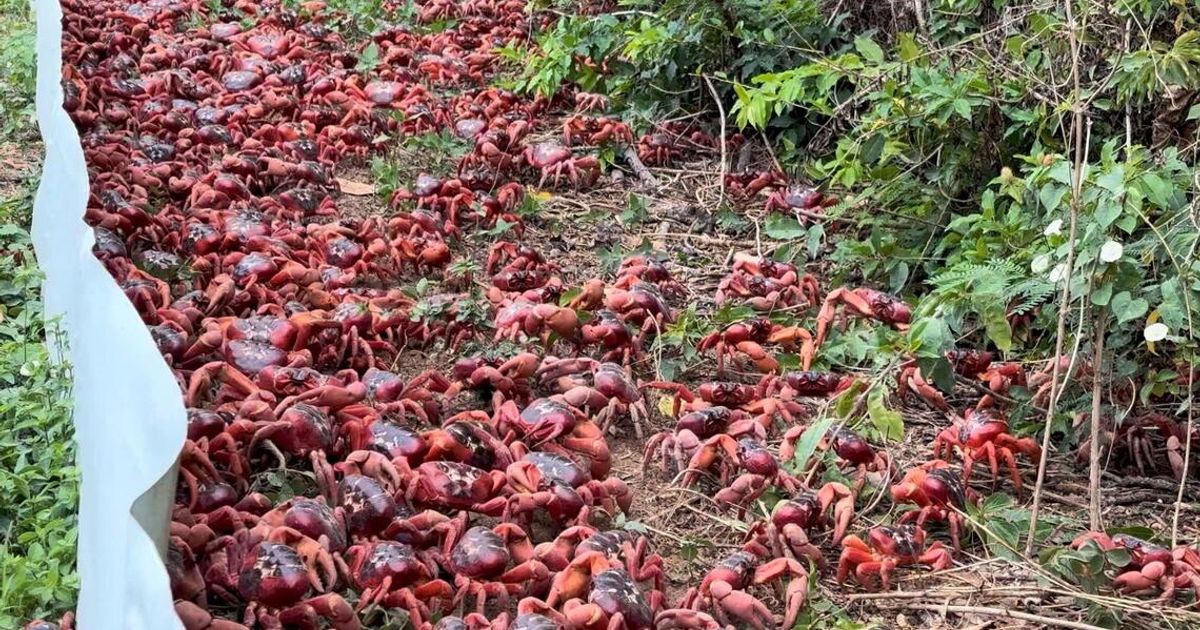
Red crab population doubles on Christmas Island following ant control
straitstimes.com · 19 Nov 2026

Bhutan wins Earthshot Prize for maintaining high forest cover
news.mongabay.com · 18 Nov 2026