Invertebrates recover on sub-Antarctic islands after rodent eradication

Headline and summary by local AI
Researchers found that unique island invertebrates are recovering on Macquarie Island and Antipodes Island in the sub-Antarctic region after authorities removed invasive rats, mice, and rabbits.
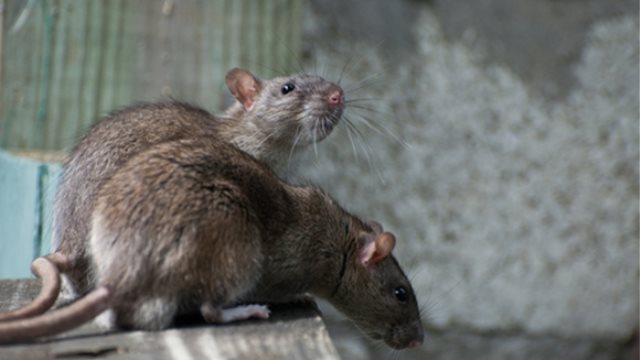
Land managers used aerial baiting by helicopter and drones, followed by detection dogs, to clear the islands of rodents. Macquarie Island became free of these pests in 2014, while Antipodes Island has been mice-free since 2018.
These actions were taken to protect native species, as rodents often prey on birds, lizards, and insects, driving them toward extinction. The research team compared current findings with historical datasets, including 30 years of records from Macquarie Island and eight years from Antipodes Island. They observed that invertebrate populations are increasing overall, with significant recoveries seen in species previously targeted by mice, such as spiders and fly larvae. However, the rate of recovery varies by location.
On Macquarie Island, native flies showed the strongest recovery, while Antipodes Island saw the greatest gains among native spiders, beetles, worms, and pseudoscorpions. The study suggests that the slower recovery on Macquarie Island may be linked to the long-term impact of invasive rabbits, which grazed on the grasslands for over 150 years. Because the vegetation has not fully recovered a decade after the rabbits were removed, there is less habitat available for some insects.
The researchers argue that these results support the continued eradication of rodents on other islands to restore ecosystems.
Selected and summarized by local AI How we work