Ancient teeth reveal herding practices on Uzbekistan’s Silk Road
Summary and headline written by AI from the source article. How we work
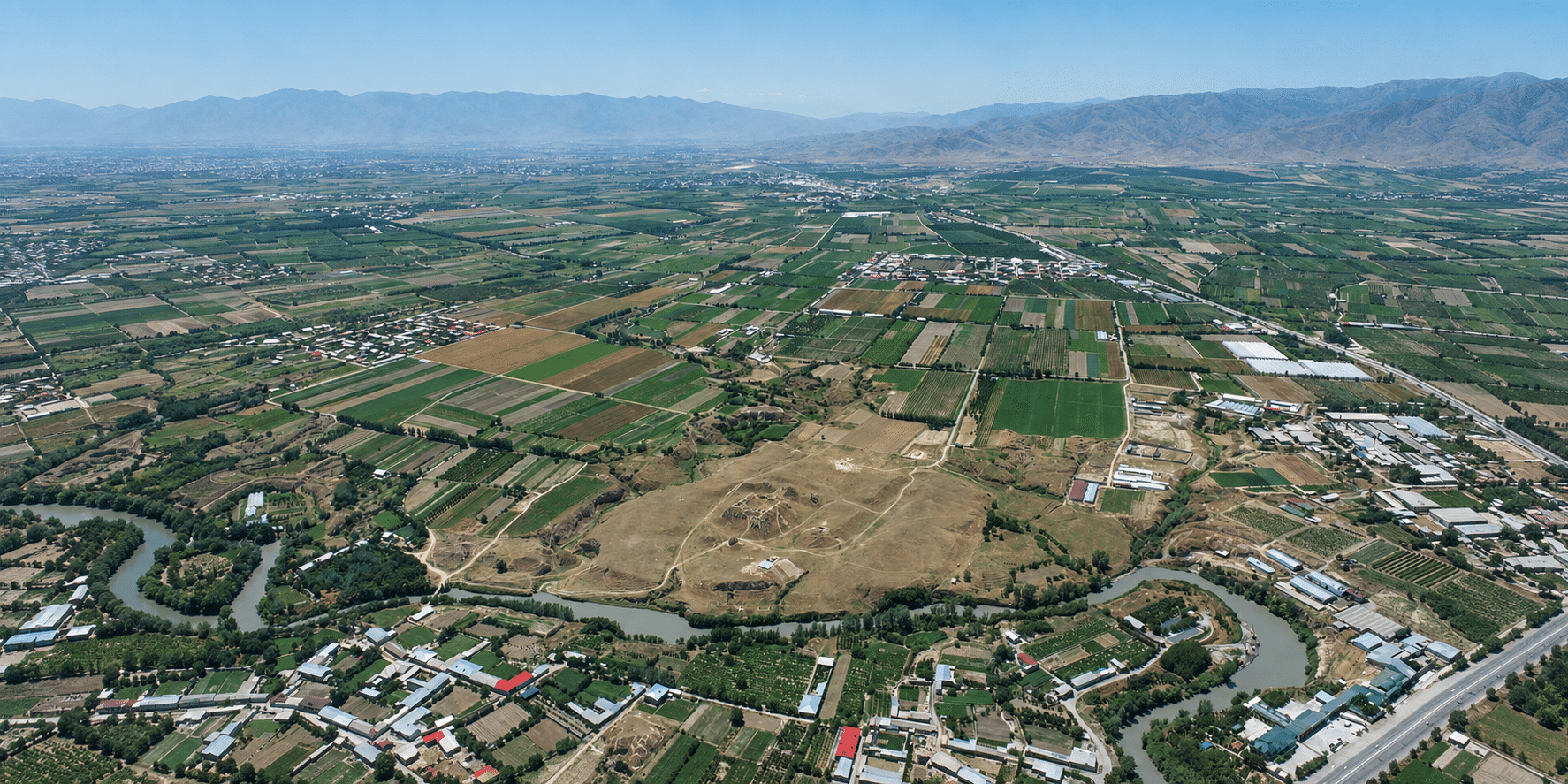
Researchers in Uzbekistan examined 20 animal teeth from the medieval settlement of Kafir Kala, near Samarkand, to understand how people managed livestock between the eighth and twelfth centuries.
The team, part of the Uzbek-Italian Archaeological Project, analyzed the molars to determine what the sheep and goats ate and where they grazed. They discovered that sheep likely moved between higher foothills for summer grazing and lower areas for winter feed, possibly consuming millet or wild grasses.
The analysis focused on chemical traces in tooth enamel, which reflect an animal’s diet over about a year. While the researchers identified 12 sheep and four goats among the samples, three were only classified as ruminants and one remained unidentified. The different carbon and oxygen signatures in the teeth helped them distinguish between seasonal grazing patterns and types of plants. Goats, however, showed a more consistent diet throughout the year, suggesting they stayed closer to Kafir Kala.
Elena Armaroli, a researcher involved in the study, explained that sheep may have been more adaptable and able to exploit available resources. The team also used strontium levels in the teeth to investigate whether the animals moved between different areas, but overlapping signatures made confirmation difficult. They acknowledge that limited plant samples and modern irrigation practices could have affected the results, and further research with more samples is needed.