Medieval castle discovered hidden within university building
Summary and headline written by AI from the source article. How we work
Professor Tadg O’Keeffe of University College Dublin (UCD) in Ireland discovered a medieval castle inside a building on the UCD campus.
The castle, at Roebuck, was once thought to be completely destroyed centuries ago. O’Keeffe’s research revealed that substantial parts of the Norman fortress remain intact, concealed beneath the plaster of the modern structure. The castle’s survival is attributed to decisions made during renovations in the 18th and 19th centuries.
Rather than demolish the medieval walls, those updating the estate built new structures around them. O’Keeffe noted that medieval elements are still present, hidden but identifiable under the plaster. The courtyard behind the modern building also corresponds to the original courtyard of the medieval castle. Built shortly after the Norman invasion of Ireland began in 1169, the Roebuck castle repeatedly underwent construction during the medieval period and served as a key approach to medieval Dublin.
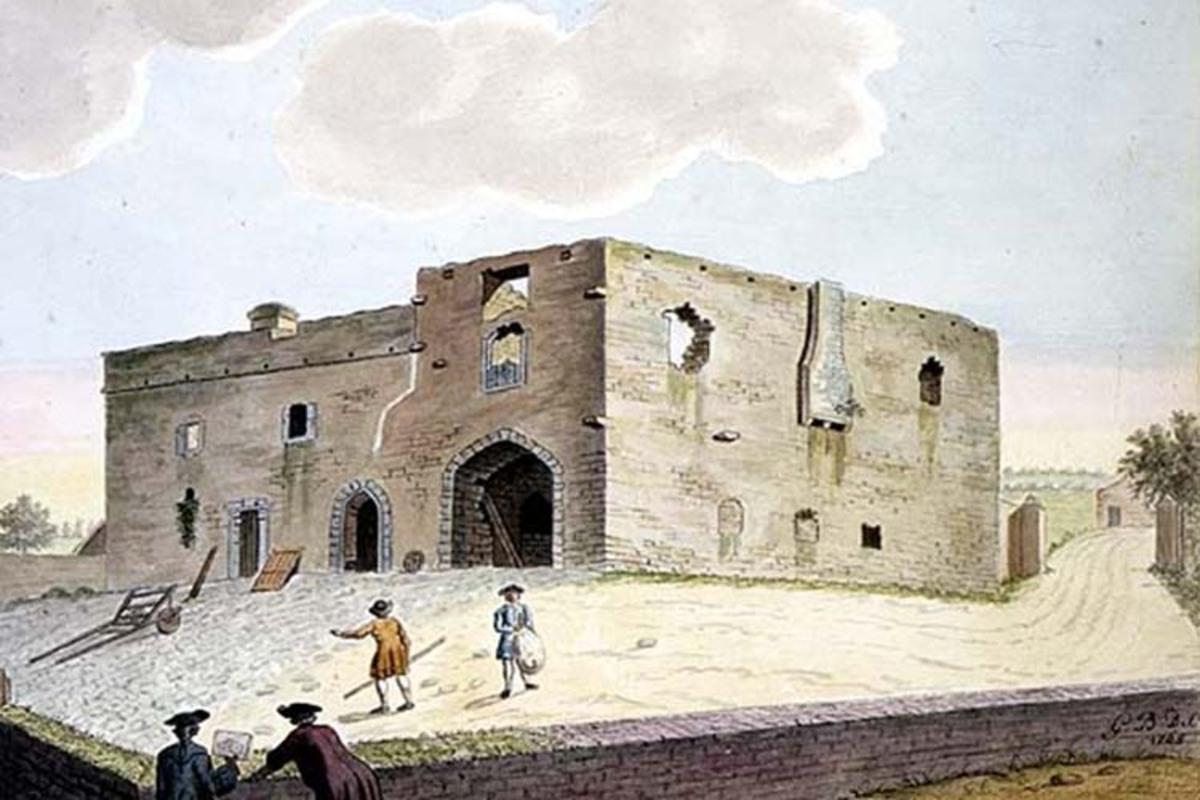
Historical accounts also link the castle to James II, the deposed King of England and Ireland, who reportedly stayed there in 1689. Though the castle fell into ruin by the 18th century, paintings by Gabriel Beranger from 1765 provided crucial details that helped O’Keeffe identify the medieval features.


