Ancient deep-sea pool reveals clues to early life on Earth
Summary and headline written by AI from the source article. How we work
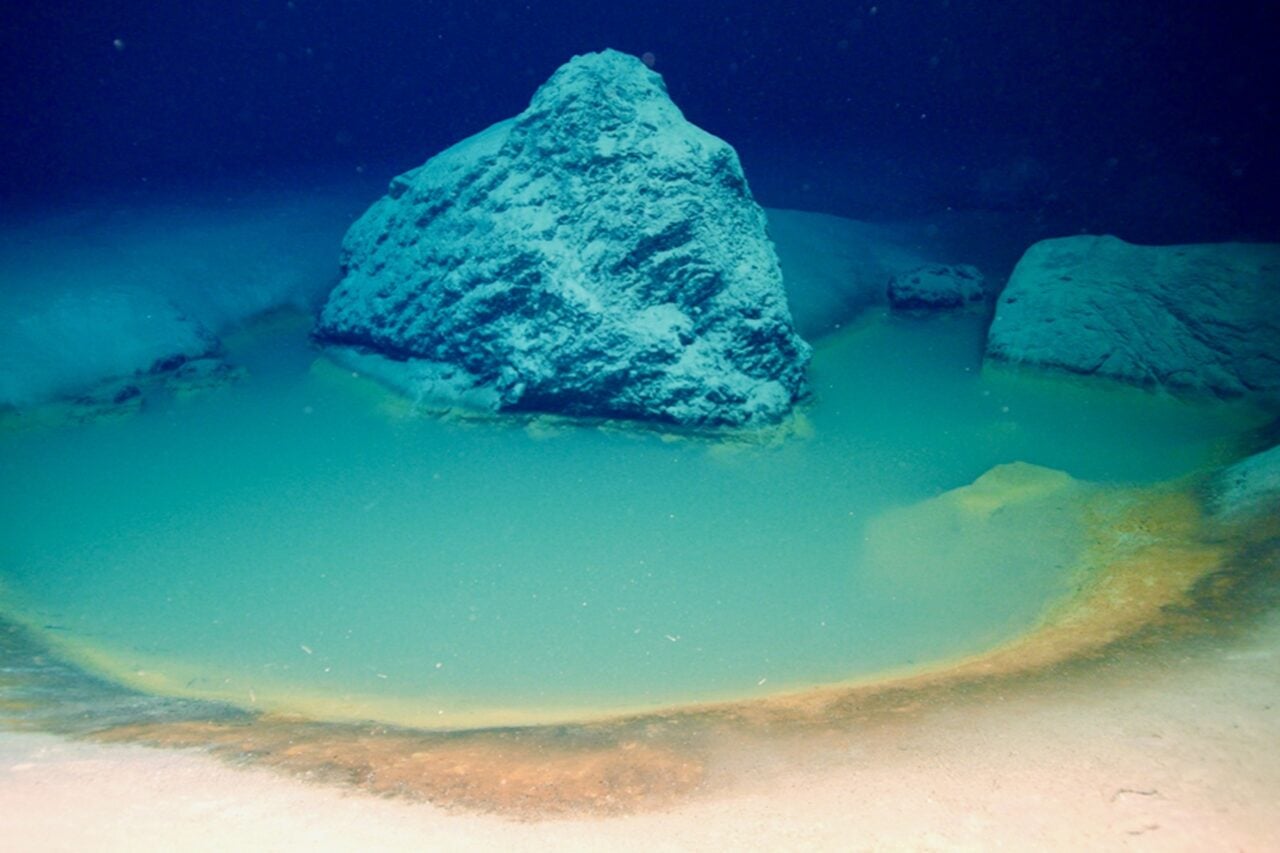
Scientists aboard the research vessel OceanXplorer investigated deep-sea brine pools in the Red Sea between 2020 and 2023, discovering the remnants of a vanished “death pool” and an active one called NEOM.
For years, these highly saline underwater lakes were thought to be lifeless, but researchers found thriving communities of extremophiles, microbes that survive in extreme conditions, around their edges.
The team studied sediment samples from both an active pool and the extinct Hume pool, finding evidence that the microbes living in these environments may have used minerals to create energy. This process, they suggest, could resemble how life on Earth generated energy before oxygen became plentiful in the atmosphere billions of years ago. Specifically, microbes like those in the Myxococcota phylum and the Nitrospira genus oxidize manganese and iron, leaving behind mineral deposits.
Researchers also discovered that the brine pools accumulate high concentrations of metals like manganese, iron, molybdenum, and copper, sometimes exceeding normal levels by 100 times. This finding suggests these microbes could play a role in the natural accumulation of resources valuable for clean energy technologies, and could help locate other extinct brine pools.