Art, colonialism, and home: Neha Kale’s cross-cultural reflections
Summary and headline written by AI from the source article. How we work
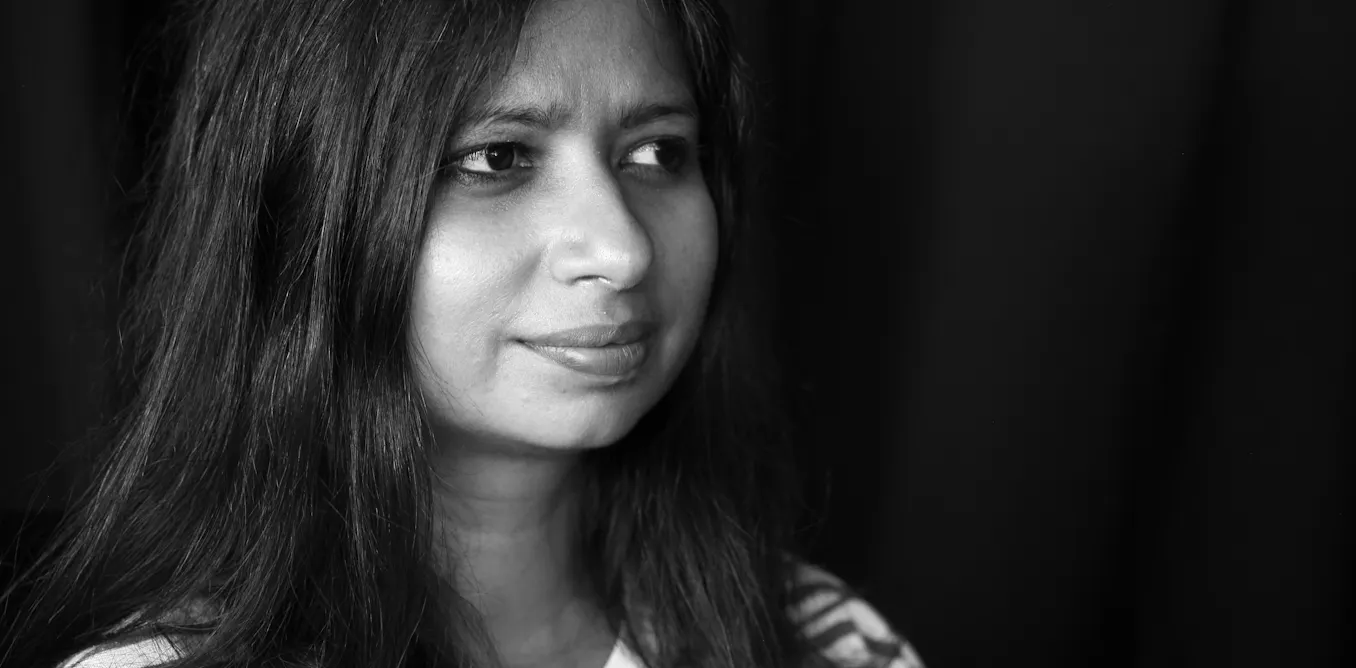
Neha Kale, born in Mumbai and now living in Sydney, connects her personal history to interpretations of art in her book A Foreign Return: On Art and Inhabitation.
Kale begins by recalling Indian artist Dayanita Singh’s photographic installation, Suitcase Museum, which sparked memories of her childhood in Goa. She then contrasts this with Australian artist John Brack’s painting The New House, recognising Brack’s appreciation for post-war prosperity rather than satire.
Kale’s family emigrated from Mumbai to Perth when she was a child, and she observed the contrast between the tightly-knit communities of her childhood and the self-contained suburban life in Australia. She noted class divisions even within Perth’s seemingly homogenous suburbs, illustrated by the disproportionate media attention given to the murders of women from privileged areas.
The author extends her analysis to international artists, including Italian Baroque painter Artemisia Gentileschi, whose work expresses responses to masculine violence, and Cuban/American artist Ana Mendieta, whose Silueta series explores connections to the earth. Kale’s journey also led her to London, where she adapted to a multicultural environment by altering her speech and finding community with other expatriates. Returning to India, she reflected on how Hindu nationalism had reshaped language and place names, while also acknowledging the distortions of memory.
Ultimately, Kale concludes that home is not a fixed location, but a space created by relationships and shared experiences.