Ancient village emerges from UK reservoir after drought
Summary and headline written by AI from the source article. How we work
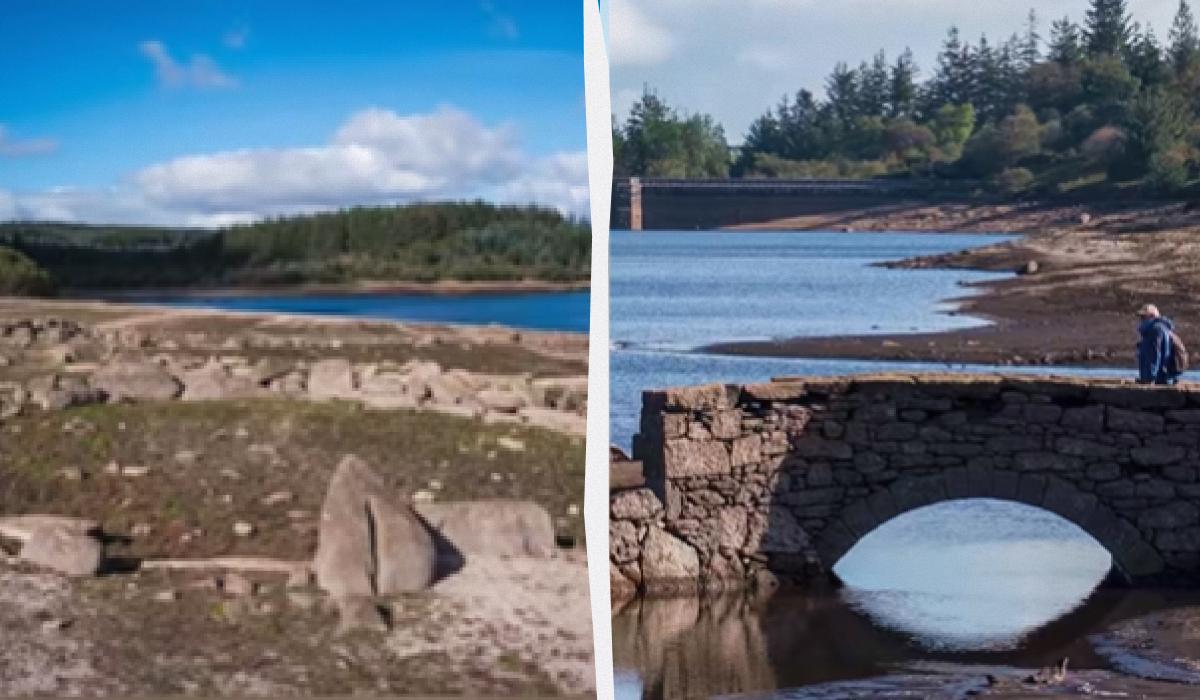
After a summer heatwave lowered water levels at Fernworthy Reservoir in Devon, England, archaeologists discovered the remains of a 4,000-year-old settlement.
The receding water revealed eight circular stone homes dating back to around 2000 BCE, part of a Bronze Age village. Archaeologists previously found flint tools and pottery from the Bronze Age and Tudor-era artifacts before the reservoir’s construction from 1936 to 1942.
Evidence suggests people lived in the area as early as 2300 BCE, and other stone circles and burial mounds remain nearby for visitors. Residents likely abandoned many of the settlements around 1000 BCE, though people continued to live in the region, leaving behind coins from as late as 1540. Currently, reservoirs across the United Kingdom hold approximately 20% less water than usual for this time of year.
The Environment Agency reports that 12 of the country’s 31 reservoirs are less than half full, with eight at extremely low levels, and groundwater levels are also falling. Officials expect sustained rainfall this autumn to begin replenishing water supplies.