Archaeologists find unhatched dinosaur eggs in Patagonia
Summary and headline written by AI from the source article. How we work
An international team of paleontologists working in Patagonia, Argentina, discovered a collection of fossilized bones and eggs approximately 70 million years old.
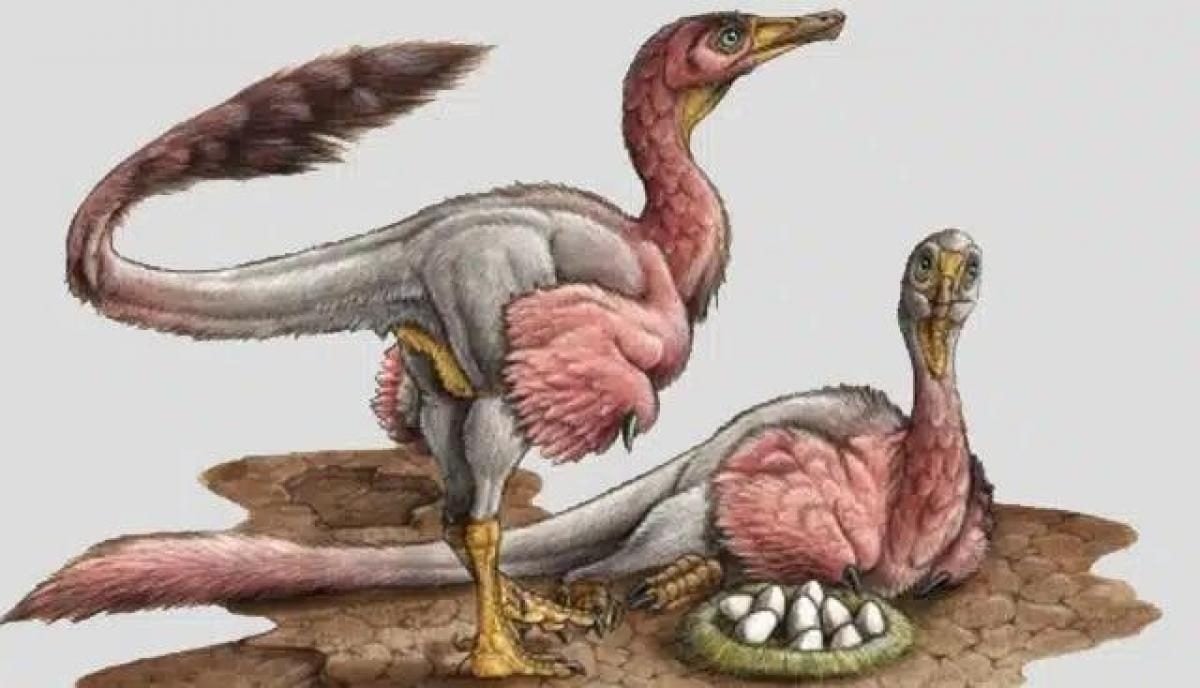
These remains belong to Bonapartenykus ultimus, a bird-like dinosaur from the Alvarezsauridae family, one of the most mysterious dinosaur groups. The dinosaur reached around 2.6 meters in length and represents the most recent known member of its family to have lived on Gondwana, the ancient southern supercontinent.
The discovery is unusual because two eggs were found near the dinosaur’s leg bones. Dr. Martin Kundrat, a co-author of the study from Uppsala University, suggests the eggs may have been inside the female when she died, though this is not confirmed. Evidence shows the eggs were incubated and contained embryos late in development, as scientists observed significant calcium dissolving within the eggshell layers. Dr. Jaime Powell from the Argentinian Museum of Natural Sciences first located the remains.
However, the dinosaur received its name and description recently, honoring Dr. José Bonaparte who discovered the first alvarezsaurid in Patagonia in 1991. Analysis of the eggshell revealed a unique microstructure, leading researchers to define a new egg family, Arraigadoolithidae. They also found evidence of fungal infection within the egg, a previously unknown phenomenon in dinosaur eggs.