Ancient reptile vomit reveals Jurassic feeding habits
Summary and headline written by AI from the source article. How we work
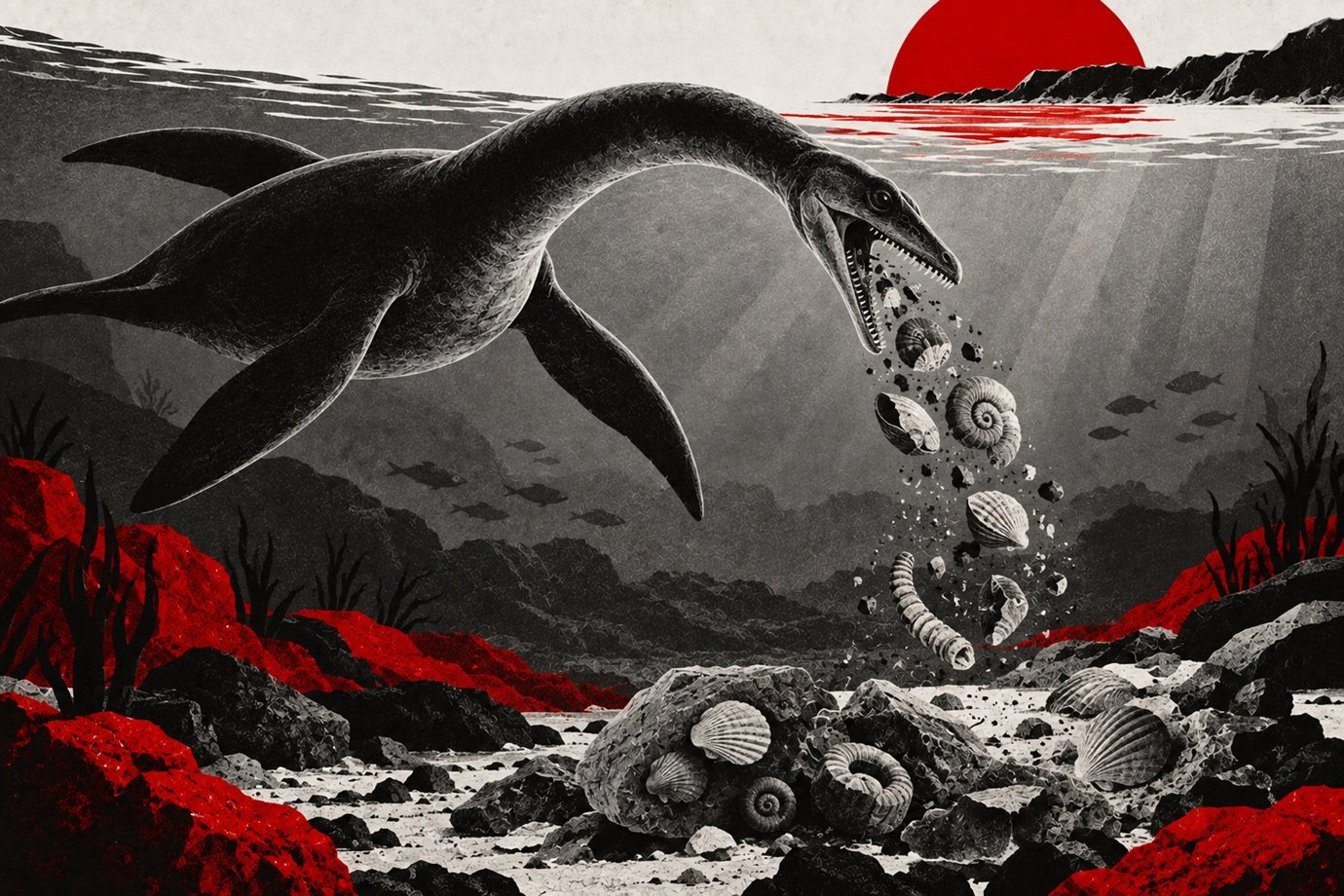
Scientists in Norway discovered over 20 fossilized vomit samples dating back more than 160 million years. These samples suggest that large marine reptiles, likely plesiosaurs, swam to coastal areas to expel undigested parts of their meals.
The fossils contained shells of molluscs, structures made by worms, and fragments of other invertebrates. Researchers determined the reptiles probably hunted in deeper waters and then moved closer to shore.
The study’s author, paleontologist Dirk Knaust, proposed this behaviour after noticing the fossils came from a location that was once a river delta. Freshwater mixing with saltwater would have created a change in salinity that would have caused the reptiles to purge their stomachs. Knaust and his team ruled out fish, sharks, and crocodiles as the source of the vomit based on the size of the blocks and the types of remains they contained.
Plesiosaurs, reptiles that likely foraged on the seafloor, lacked teeth capable of grinding shells, so tougher parts of prey would have remained in their stomachs. This process resembles how some modern birds regurgitate undigested materials. The location of the fossils also suggests the plesiosaurs may have rested or slept near the coast after feeding, similar to seals and marine crocodiles.
Researchers distinguished the vomit from fossilized feces by noting the greater amount of undigested food, irregular shape, and different mineral composition.